
Your roof is one of the most important protective systems on your home. It shields your family from heavy rain, wind, hail, heat, humidity, falling debris, and seasonal temperature swings. But roofing problems often begin quietly. A lifted shingle, a small ceiling stain, a few loose granules in the gutter, or a cracked flashing seam may not look urgent at first. Yet those early symptoms can be the first clue that your roof needs repair before the damage spreads into the attic, insulation, drywall, framing, or electrical systems.
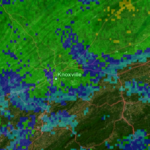
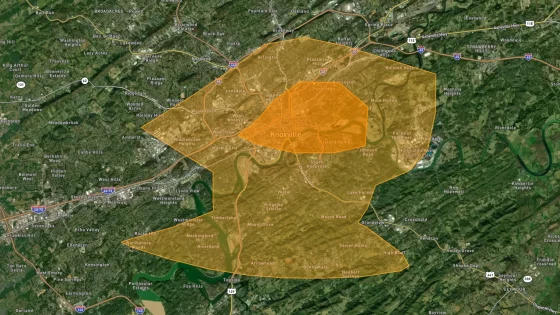
For Knoxville homeowners, the warning signs matter even more because East Tennessee roofs face a mix of moisture, severe thunderstorms, wind, hail, and hot summers. The National Weather Service’s Knoxville climate page lists average annual rainfall at 51.93 inches, meaning local roofs deal with significant year-round water exposure. NOAA’s National Weather Service defines a severe thunderstorm as one capable of producing wind of at least 58 mph, hail at least 1 inch in diameter, or a tornado — all conditions that can damage shingles, flashing, vents, gutters, and roof decking.
That does not mean every roof stain or missing shingle requires a full roof replacement. In many cases, early attention can help a homeowner determine whether the roof needs repair, maintenance, storm-damage documentation, or replacement planning. The key is recognizing the warning signs before a small issue becomes an expensive interior water problem.
Litespeed Construction serves Knoxville, TN and surrounding communities with roof inspections, roof repair, roof replacement, gutter work, and storm damage assessments. This guide explains the five major signs your roof needs repair, why they matter, what homeowners should look for, and when to call a professional roofing contractor.
Key Takeaways
💡First, if you see missing, cracked, curled, or lifted shingles, your roof needs repair evaluation quickly. Shingles are the first line of defense against rain and wind.
💡Second, interior water stains are never something to ignore. If water has reached your ceiling or walls, your roof needs repair assessment should happen before the next storm.
💡Third, granules in gutters, soft roof decking, and sagging areas may point to aging, moisture damage, or structural stress.
💡Fourth, flashing problems around chimneys, vents, skylights, and roof valleys are some of the most common sources of leaks. If flashing is loose, rusted, cracked, or separated, your roof needs repair from a qualified professional.
1. Missing, Lifted, Curled, or Cracked Shingles
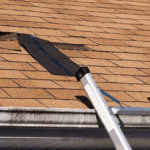
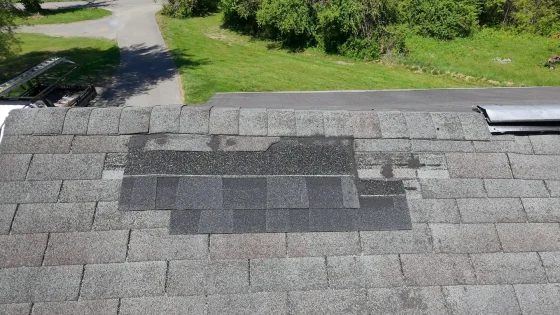
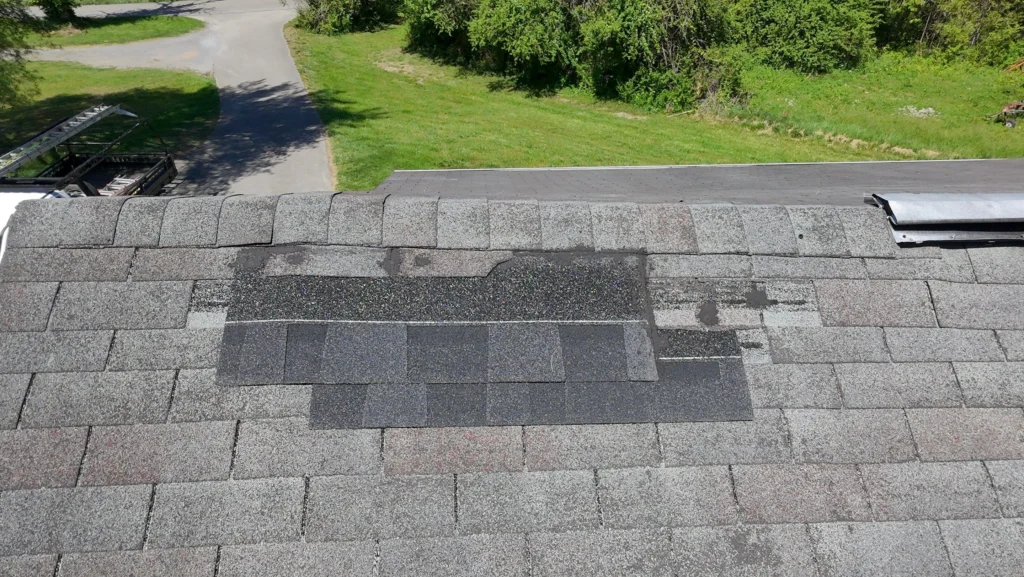
One of the clearest signs your roof needs repair is visible shingle damage. Asphalt shingles are designed to overlap and shed water down the roof plane. When shingles go missing, curl at the edges, crack, lift, or lose their seal, the protective barrier is weakened.
In Knoxville, wind-driven rain can push water under compromised shingles. Severe thunderstorms can bring damaging gusts, and NOAA’s Storm Events Database tracks severe weather reports collected by the National Weather Service from 1950 to February 2026, including wind, hail, tornado, and storm damage events. (NOAA NCEI) When a storm passes through East Tennessee, a roof that already has lifted or aging shingles is more vulnerable.
Common shingle warning signs include:
- Missing shingles after high wind
- Lifted tabs or shingles that flap in the wind
- Cracked shingles caused by age, heat, impact, or brittleness
- Curled edges that no longer lie flat
- Exposed nail heads
- Shingles sliding out of place
- Uneven rows or visible installation defects
If you notice these conditions, your roof needs repair inspection because water can enter beneath the damaged area. Even a single missing shingle can expose underlayment and decking. If the underlayment is worn, torn, or punctured, water may reach the wood deck faster than expected.
Homeowners sometimes assume they can wait because “only one or two shingles are missing.” That is risky. A small exposed area can become a larger leak during heavy rain. Knoxville receives enough rainfall throughout the year that even minor damage deserves attention. A professional roofer can determine whether your roof needs repair in a localized area or whether the shingle field is showing broader age-related failure.
Another issue is storm documentation. If wind or hail caused the damage, it is important to have photos, notes, and a professional assessment. Litespeed Construction can help homeowners understand whether the roof needs repair due to routine wear, storm damage, installation issues, or a larger replacement concern.
2. Water Stains on Ceilings, Walls, or Around Fixtures
A water stain inside the home is one of the most serious signs your roof needs repair. Brown, yellow, or gray staining on ceilings or walls often means water has already moved through the roofing system, attic, insulation, or drywall.
Interior stains may appear as:
- Rings on the ceiling
- Discoloration near exterior walls
- Bubbling paint
- Peeling drywall tape
- Damp spots around light fixtures
- Water marks near chimneys or skylights
- Musty odors in upper rooms or attic spaces
The U.S. Environmental Protection Agency warns that moisture control is the key to mold control, and mold can grow when moisture problems are not corrected. EPA guidance for homeowners emphasizes fixing water problems and drying wet materials to help prevent mold growth. (US EPA)
A ceiling stain does not always mean water is actively dripping at that moment. Roof leaks often appear during heavy rain, wind-driven rain, snowmelt, or after repeated exposure. Water can travel along rafters, insulation, wiring, or framing before it finally appears indoors. That means the visible stain may not be directly below the roof opening.
If you see a stain, your roof needs repair assessment should not be delayed. A professional roofer can inspect roof penetrations, shingles, valleys, flashing, attic ventilation, decking, and underlayment to locate the source.
The Lawrence Berkeley National Laboratory’s Indoor Air Quality Science resource cites American Housing Survey data showing that 9.9% of U.S. homes had water damage from exterior leakage and 8.1% had water damage from interior leakage in 2009. While that data is older, it demonstrates that water intrusion is a common housing problem, not a rare event. (Indoor Air) The American Housing Survey itself is a federal housing data source used to evaluate housing quality in the United States. (Health.gov)
If your roof needs repair, catching it early may help prevent insulation damage, mold risk, drywall replacement, paint repairs, and electrical concerns. FEMA also recognizes disaster-related ceiling and roof damage as a serious issue, noting that assistance may apply to disaster-related roof leaks that damage ceilings and threaten electrical components. (FEMA)
For homeowners, the practical message is simple: do not paint over a stain before finding the cause. If water has entered your home, your roof needs repair diagnosis from a professional.
3. Granules Collecting in Gutters, Downspouts, or Around the Home
Granule loss is another major sign your roof needs repair or may be aging toward replacement. Asphalt shingles have protective granules that help shield the asphalt layer from sunlight and weather exposure. Some granule loss is normal, especially on a newer roof shortly after installation. However, heavy or repeated granule loss can indicate wear, storm impact, heat aging, or shingle deterioration.
You may notice granules:
- In gutters
- At the bottom of downspouts
- On splash blocks
- Around landscaping beds
- On porches or walkways
- In roof valleys
- Near areas where water drains heavily
When granules wear away, shingles may appear dark, shiny, patchy, or bald. Those areas can become more vulnerable to UV exposure and water intrusion. If granule loss is widespread, your roof needs repair inspection may reveal that the roof is near the end of its service life.
Granule loss can also follow hail impact. Hail can bruise shingles, loosen granules, and weaken the mat beneath the surface. Damage may not be obvious from the ground. That is why a homeowner may not know the roof needs repair until a trained roofing professional inspects the slopes, valleys, ridge caps, vents, and soft metals.
NOAA’s billion-dollar weather and climate disaster data shows the national scale of severe weather risk. NOAA’s summary statistics report that severe storms have caused the highest number of U.S. billion-dollar disaster events in the tracked database. (NOAA NCEI) This matters locally because Knoxville homeowners are not just dealing with normal aging; they are also dealing with wind, hail, and storm systems that can accelerate roof wear.
If your gutters are full of granules, your roof needs repair evaluation should include a close look at the shingle surface, roof age, attic signs, ventilation, and whether the granule loss is isolated or widespread. Localized damage may be repairable. Widespread deterioration may indicate replacement planning.
Litespeed Construction can inspect the roof and help determine whether your roof needs repair now, whether storm damage may be present, or whether the roof is approaching the point where replacement is the more responsible long-term option.
4. Soft Spots, Sagging Areas, or Uneven Roof Lines
A roof should not feel soft, spongy, wavy, or structurally uneven. If you notice sagging areas from the ground, visible dips in the roof line, or soft decking during a professional inspection, your roof needs repair attention immediately.
Soft or sagging roof areas may be caused by:
- Long-term moisture intrusion
- Rotted decking
- Poor attic ventilation
- Structural stress
- Excessive weight from wet materials
- Improper installation
- Repeated leaks that were never corrected
- Damaged rafters or framing
The U.S. Department of Energy’s durable attic guidance explains that moisture is a major enemy of attic durability. DOE notes that keeping attics dry and well ventilated helps prevent moisture problems, and that moisture can warp and damage the roof, reduce insulation effectiveness, and contribute to moisture problems in living areas. (The Department of Energy’s Energy.gov)
That is important because roof problems are not always limited to the shingle surface. A homeowner may think the roof needs repair because of a small leak, but the underlying issue may include trapped attic moisture, poor airflow, wet insulation, or damaged decking.
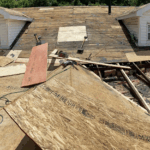
Sagging can be especially serious. A visible dip in the roof may suggest the decking or framing has been weakened. Homeowners should not walk on a roof that appears soft or sagging. Instead, call a roofing contractor for a safe inspection. If the roof needs repair due to decking damage, waiting can allow water damage to spread.
In Knoxville, humidity and rainfall can make hidden moisture problems worse. Once water enters the roof assembly, it can remain trapped in insulation or decking. The longer it stays, the more likely it is to cause rot, staining, odor, mold risk, or structural deterioration.
If your roof line looks uneven, your roof needs repair evaluation should happen promptly. A professional can inspect from the attic and exterior to determine whether the problem is decking, framing, moisture, ventilation, or shingle failure. The goal is not just to cover the symptom, but to correct the cause.
5. Flashing Damage Around Chimneys, Vents, Skylights, Valleys, and Walls
Flashing is one of the most important leak-prevention details on your roof. Flashing is installed where water needs extra direction and protection, such as around chimneys, pipe boots, skylights, roof-to-wall intersections, valleys, dormers, and vents. When flashing fails, the roof needs repair because these areas are common leak entry points.
Flashing problems may include:
- Rusted metal
- Cracked sealant
- Loose flashing
- Missing step flashing
- Gaps near walls or chimneys
- Deteriorated pipe boots
- Skylight leaks
- Valley leaks
- Exposed fasteners
- Poorly installed repairs from previous work
Flashing failures can be frustrating because the shingles may look fine while water enters through the transition area. A homeowner may say, “The roof looks okay,” while a hidden flashing defect is allowing water to reach the attic.
If you see staining near a chimney, skylight, or vent, your roof needs repair inspection should focus heavily on flashing. Chimneys are especially vulnerable because they involve multiple materials: brick, mortar, counterflashing, step flashing, roof decking, shingles, and sealants. If any component fails, water can enter.
Pipe boots are another common issue. Rubber boots around plumbing vents can crack from sun exposure and age. Once the rubber splits, rainwater can run directly along the pipe into the attic. That is a classic example of a small issue where the roof needs repair, but full replacement may not be necessary if caught early.
Roof valleys are also high-volume water channels. In heavy Knoxville rain, valleys carry large amounts of runoff. If valley shingles are damaged, valley metal is compromised, or installation was poor, water can back up or penetrate. A professional inspection can determine whether the roof needs repair in the valley or whether broader roof work is needed.
Why Knoxville Homeowners Should Not Ignore Small Roof Problems
Small roof problems rarely stay small. A missing shingle can expose underlayment. A cracked pipe boot can leak into the attic. Loose flashing can send water behind siding or into framing. Granule loss can accelerate shingle aging. A soft spot can reveal deeper moisture damage.
This is why the phrase roof needs repair should not be treated as a worst-case scenario. Sometimes it is the best-case scenario because repair is often more affordable than waiting until water damages the home’s interior.
Knoxville’s climate adds urgency. With more than 50 inches of average annual rainfall, roofs are regularly tested by water. (National Weather Service) Severe thunderstorms can bring high winds and hail. NOAA’s National Weather Service defines severe thunderstorm conditions in part by winds of at least 58 mph and hail at least 1 inch in diameter. Those conditions can loosen shingles, bruise shingle mats, damage flashing, tear ridge caps, and stress gutters.
Homeowners should inspect from the ground after major storms. Look for missing shingles, gutter granules, fallen branches, bent flashing, displaced ridge caps, or debris impact. Inside the home, check attic spaces, ceilings, closets, and rooms below roof valleys or chimneys. If anything looks unusual, assume the roof needs repair evaluation until a professional confirms otherwise.
How to Check Your Roof Safely From the Ground
You do not need to climb onto your roof to look for warning signs. In fact, homeowners should avoid walking on steep, wet, damaged, or aging roofs. Instead, use safe observation methods:
Walk around the home after storms and look for missing shingles, lifted shingles, damaged gutters, loose flashing, and debris. Check downspouts for heavy granule discharge. Look at ceilings and walls inside the home for stains or bubbling paint. Check the attic during daylight for light entering through the roof deck. Smell for musty odors after rain. Watch for dripping around chimneys, vents, and skylights.
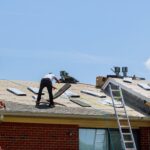
If you find any of these issues, your roof needs repair inspection should be handled by a trained roofing professional. Litespeed Construction can inspect the roof safely, document visible damage, explain repair options, and help you understand whether a repair or replacement makes sense.
Repair or Replacement: How Do You Know?
Not every damaged roof needs replacement. A roof may only need localized work if the problem is limited to a few missing shingles, a pipe boot, a flashing seam, or a minor storm-damaged area. However, full replacement may be the better solution when the roof is old, damage is widespread, shingles are brittle, leaks are recurring, decking is compromised, or repairs would only delay a larger failure.
A professional roofing contractor evaluates:
- Roof age
- Shingle condition
- Number of damaged areas
- Leak history
- Ventilation
- Decking condition
- Flashing condition
- Storm damage indicators
- Granule loss
- Attic moisture
- Manufacturer installation requirements
If your roof needs repair, the goal is to solve the actual problem, not just cover it temporarily. A quality repair should address the source of water entry, match materials as closely as possible, protect vulnerable transitions, and reduce the risk of repeat leaks.
Litespeed Construction helps Knoxville homeowners understand their options clearly. If repair is reasonable, that should be explained. If replacement is the better long-term investment, that should be explained too. Trust is built by giving homeowners accurate information, not pressure.
Final Thoughts: Early Roof Attention Protects Your Home
Your roof does not have to be actively leaking into a bucket before it deserves attention. Missing shingles, ceiling stains, gutter granules, soft spots, sagging areas, and flashing damage are all signs your roof needs repair evaluation.
The earlier you respond, the more options you usually have. A timely inspection may reveal a simple repair. Waiting may turn a manageable issue into damaged decking, ruined insulation, stained drywall, mold concerns, or a full replacement under urgent conditions.
For Knoxville homeowners, roof maintenance is not just about curb appeal. It is about protecting your home against rain, wind, hail, humidity, and severe weather. If you suspect your roof needs repair, call a trusted local contractor before the next storm.