
This commercial roof TPO overlay Knoxville TN case study shows how Litespeed Construction helped solve recurring leaks on a flat commercial roof in downtown Knoxville. After years of repeated repair calls, leak tracing, and temporary fixes, the project moved to a more strategic solution: commercial roof core samples, targeted insulation replacement, and a TPO roof over EPDM designed to stabilize the roof system without defaulting to a full tear-off.
Litespeed publicly explains that a TPO overlay Knoxville TN solution places a new TPO membrane over an existing roof surface, offering advantages such as lower cost, faster installation, and restored roof performance when the existing roof is still a suitable substrate. Litespeed also states that proper commercial roof inspection includes evaluating drainage, penetrations, and moisture-related conditions before major scope decisions are made.
Service Type: Commercial roofing Knoxville TN
Location: Knoxville, TN 37902
Roof Style: Low slope roofing Knoxville TN
Existing Roof: Flat commercial EPDM membrane roof
Key Roof Features: 16 skylights, 3 HVAC curbs, 1 humidifier curb, pipe penetrations, curb caps, scupper drains
Main Issue: Recurring leaks and commercial roof moisture intrusion repair needs
Inspection Method: Commercial roof core samples
Final System: TPO roof over EPDM
Overlay Type: EPDM roof overlay Knoxville TN
Service Goal: Stop leak callbacks without unnecessary full tear-off
This commercial roof repair Knoxville TN project stretched across roughly two and a half years. Spot repairs initially held, but over time the leaks returned more often. The roof itself made the situation more difficult: it was a flat commercial EPDM membrane roof with multiple penetrations, scupper drainage, metal curb caps, and 16 skylights.
That type of assembly is exactly why commercial roofing in Knoxville TN must start with a strong inspection process. Litespeed’s published inspection guidance says a commercial roof inspection should include moisture review, roof penetrations, structural conditions, and drainage systems. Its drainage page also states that effective commercial roof drainage is crucial for preventing water damage and protecting the building.
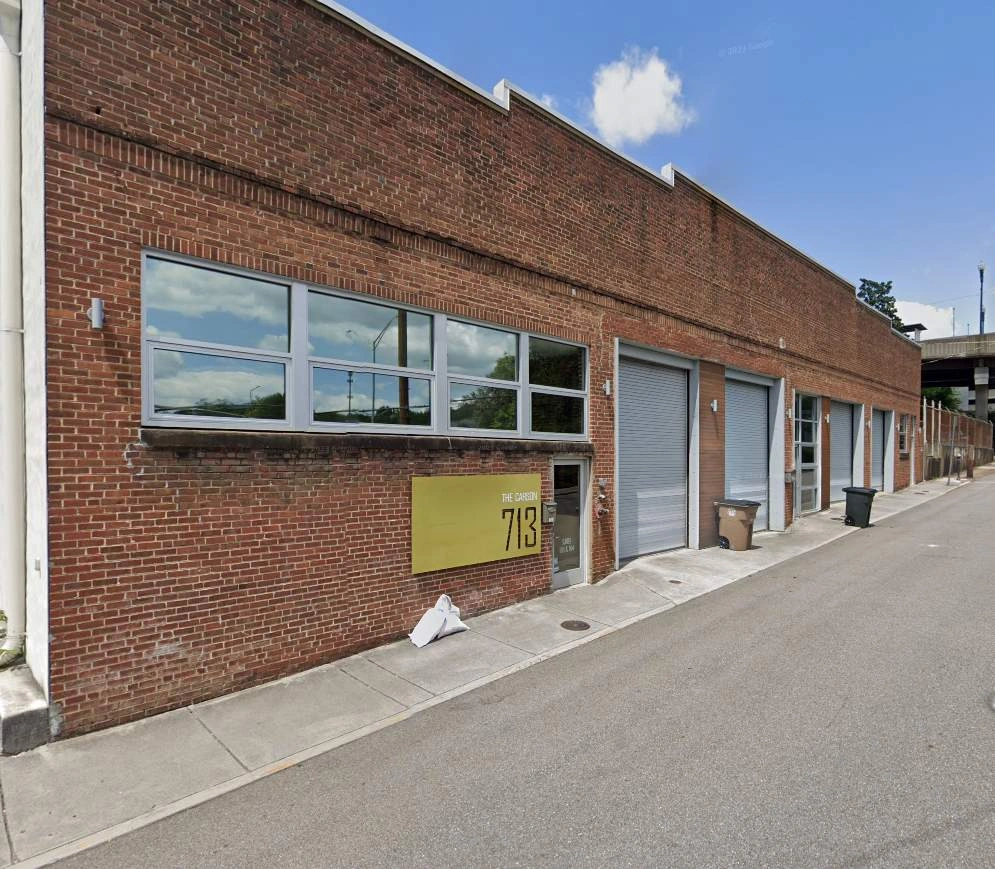
Litespeed’s public roofing content supports the importance of thoroughly evaluating the existing roof before deciding between continued repair, recovery, or replacement. Its TPO overlay content positions overlays as a useful option when the roof can serve as a suitable substrate, while NRCA guidance stresses that moisture conditions must be confirmed before moving forward with a recovery system.
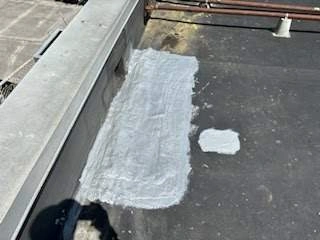
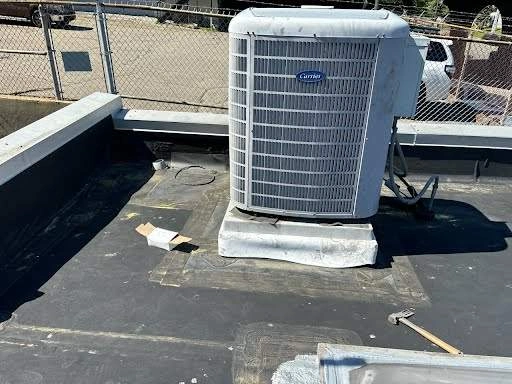
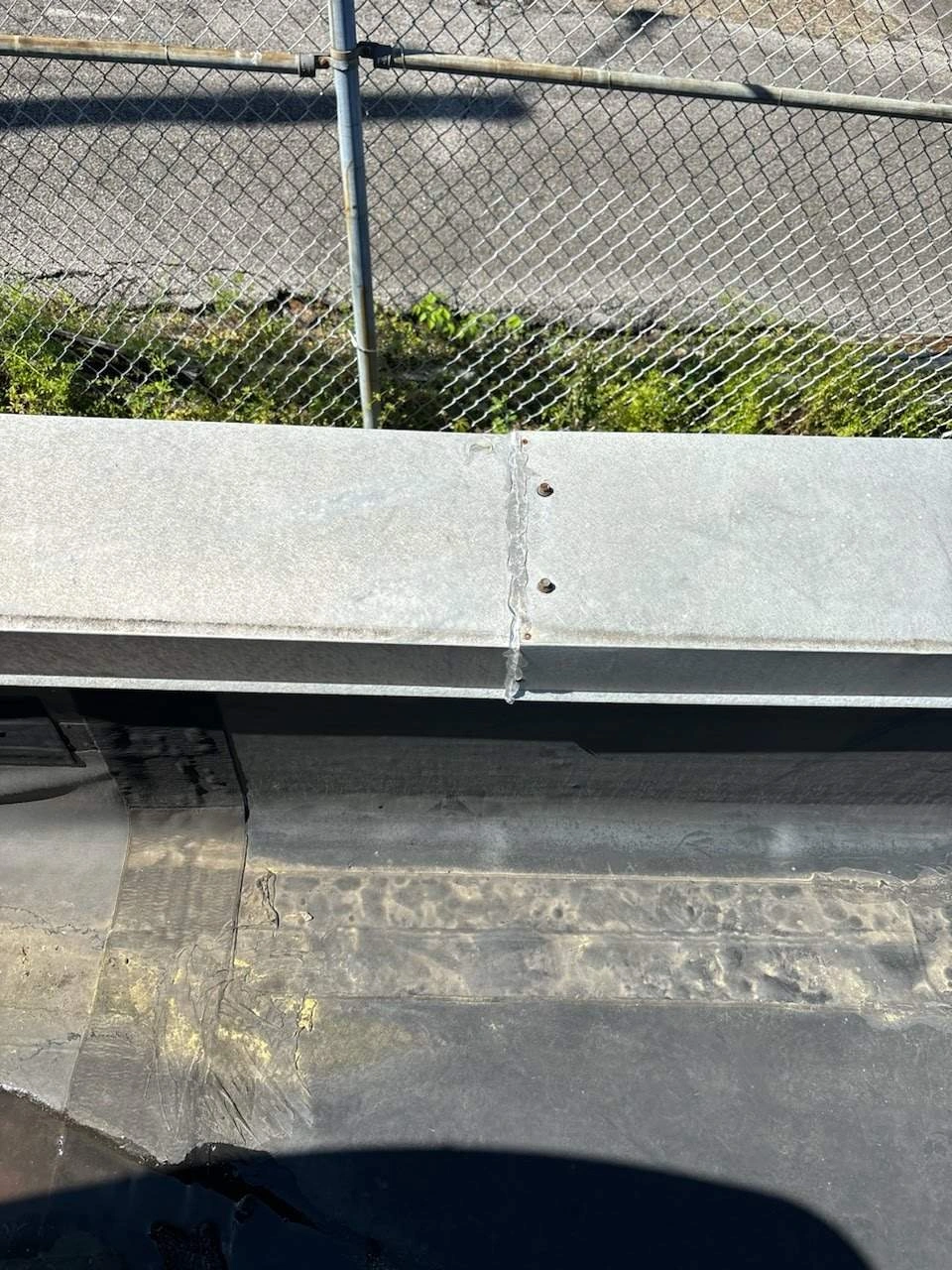
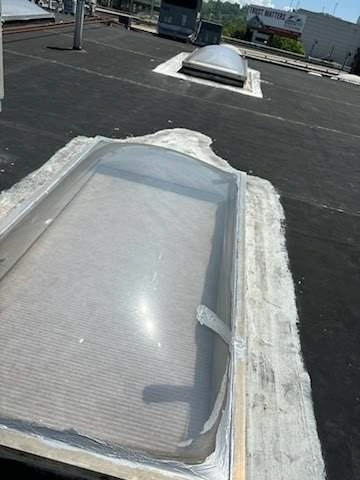
At first, spot repairs bought time. According to internal notes, Litespeed used a commercial-grade sealant system with fiberglass fabric reinforcement at leak points and surrounding areas, and also sealed scupper drains during earlier repair phases.
But the pattern kept returning.
That is the turning point in many commercial roof failures: repairs may be appropriate for isolated issues, but repeated callbacks often signal that the roof needs a broader mitigation strategy. Litespeed’s public TPO overlay page supports that logic by positioning overlay work as a way to move beyond ongoing patching and create a new watertight surface without defaulting immediately to a full tear-off.
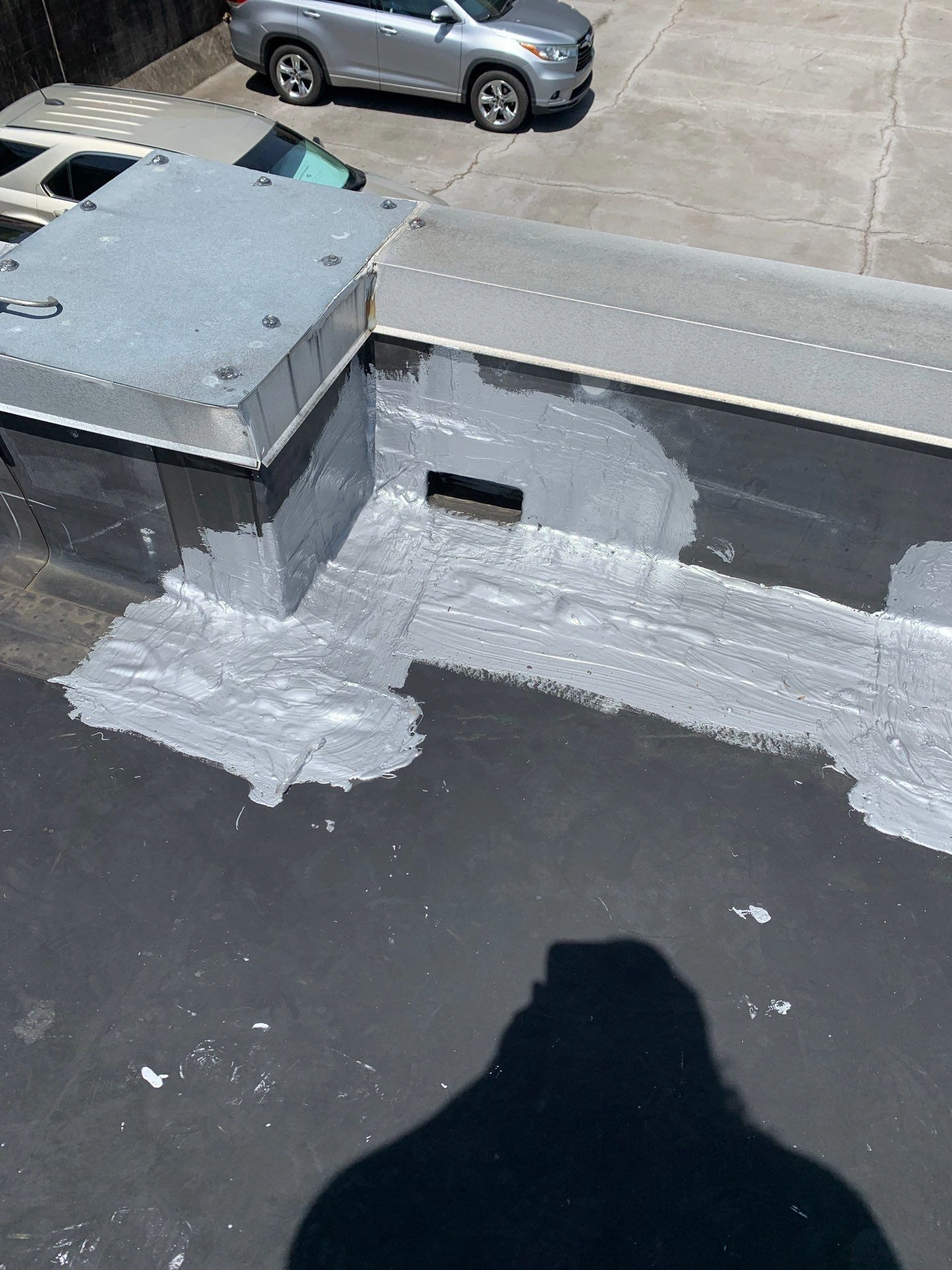
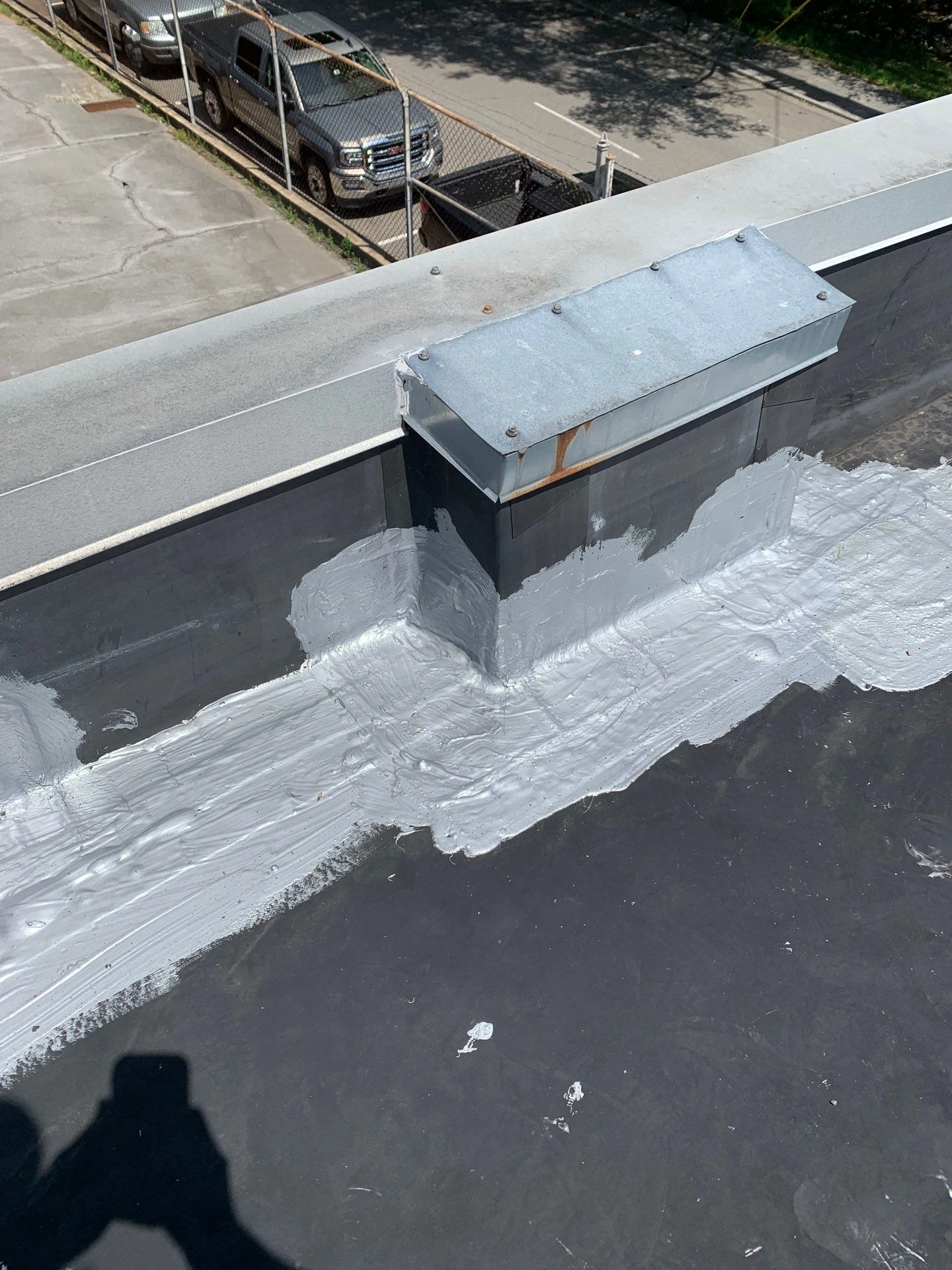
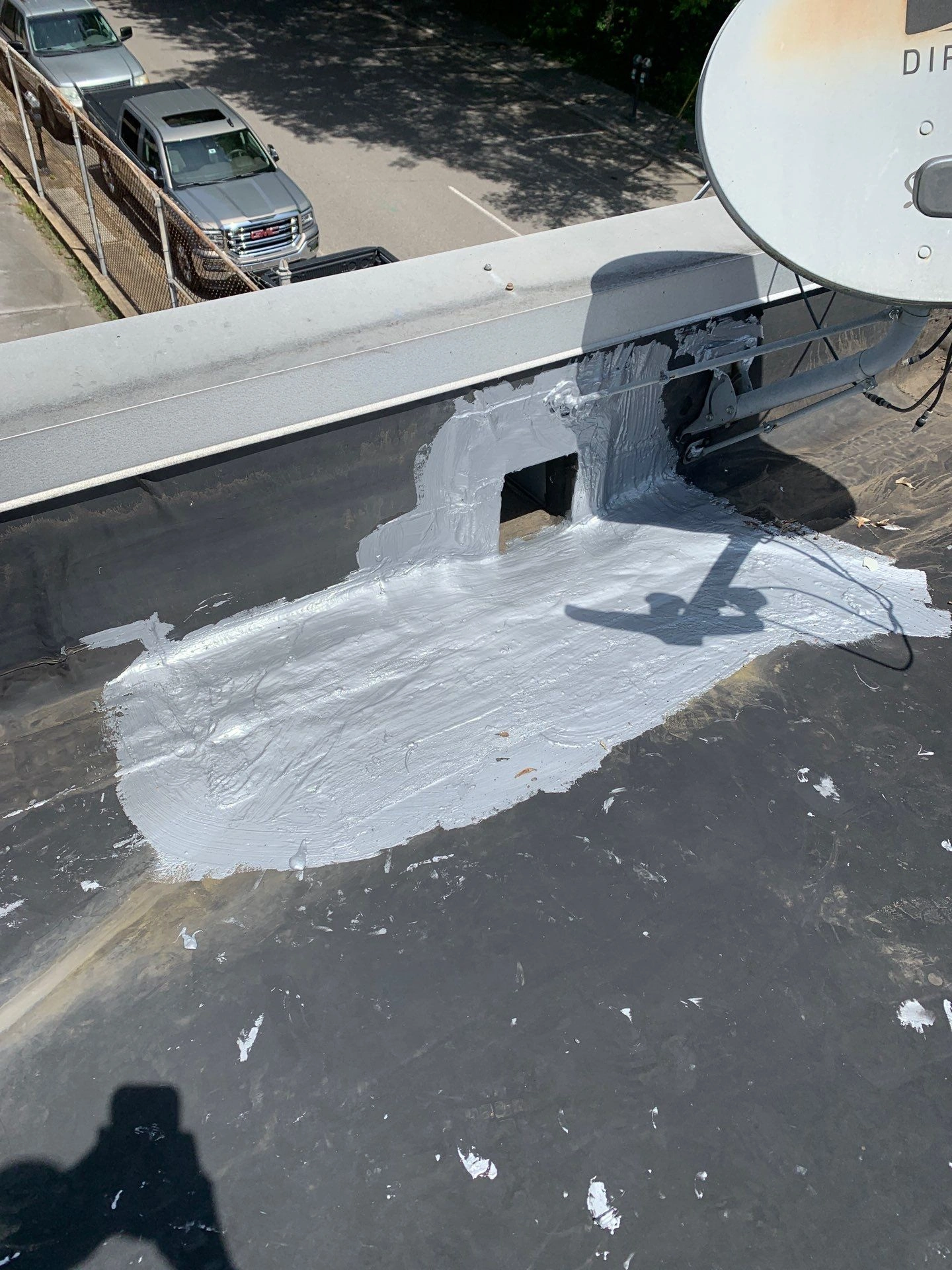
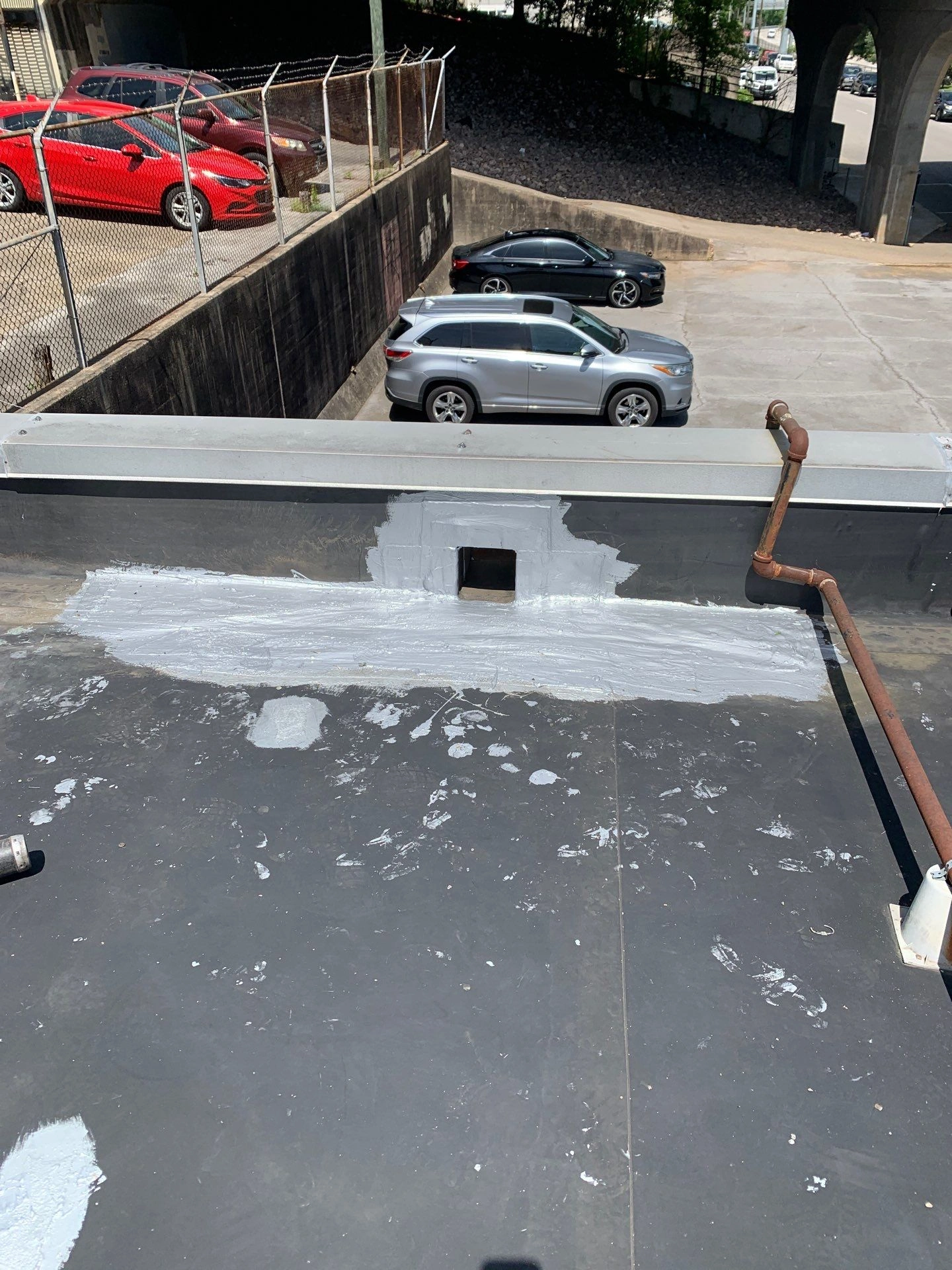
Instead of guessing, Litespeed performed core samples to identify where moisture had actually compromised the system.
That decision matters.
NRCA guidance states that while non-destructive methods can help detect moisture, test cuts or destructive testing should be used to confirm conditions. N
RCA also cautions that recovery systems should not be installed over wet insulation or unsuitable existing roof conditions.
In other words, the technical path is not to “overlay everything and hope.” It is “verify what is wet, remove what must be removed, and preserve what can responsibly stay.”
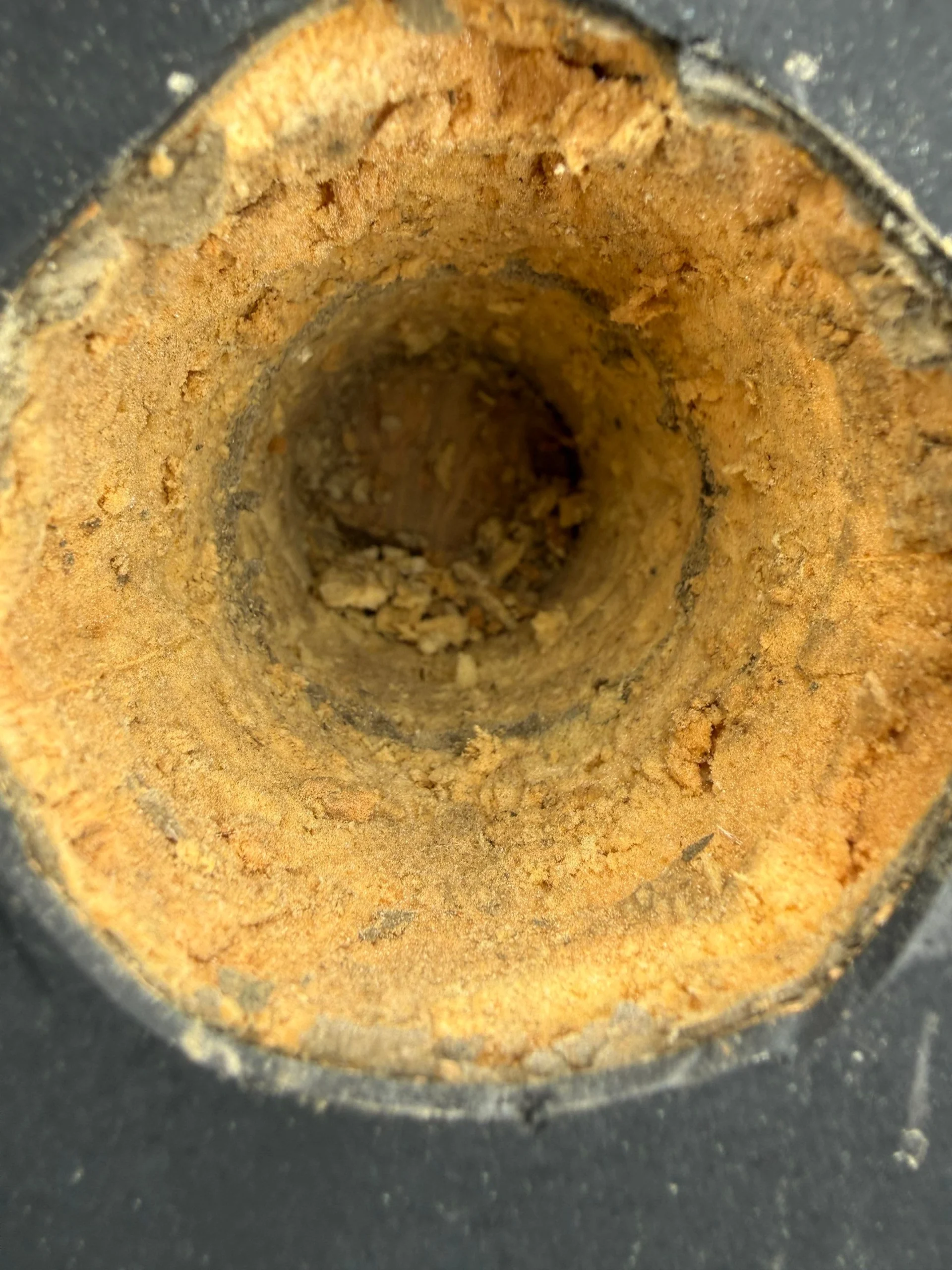
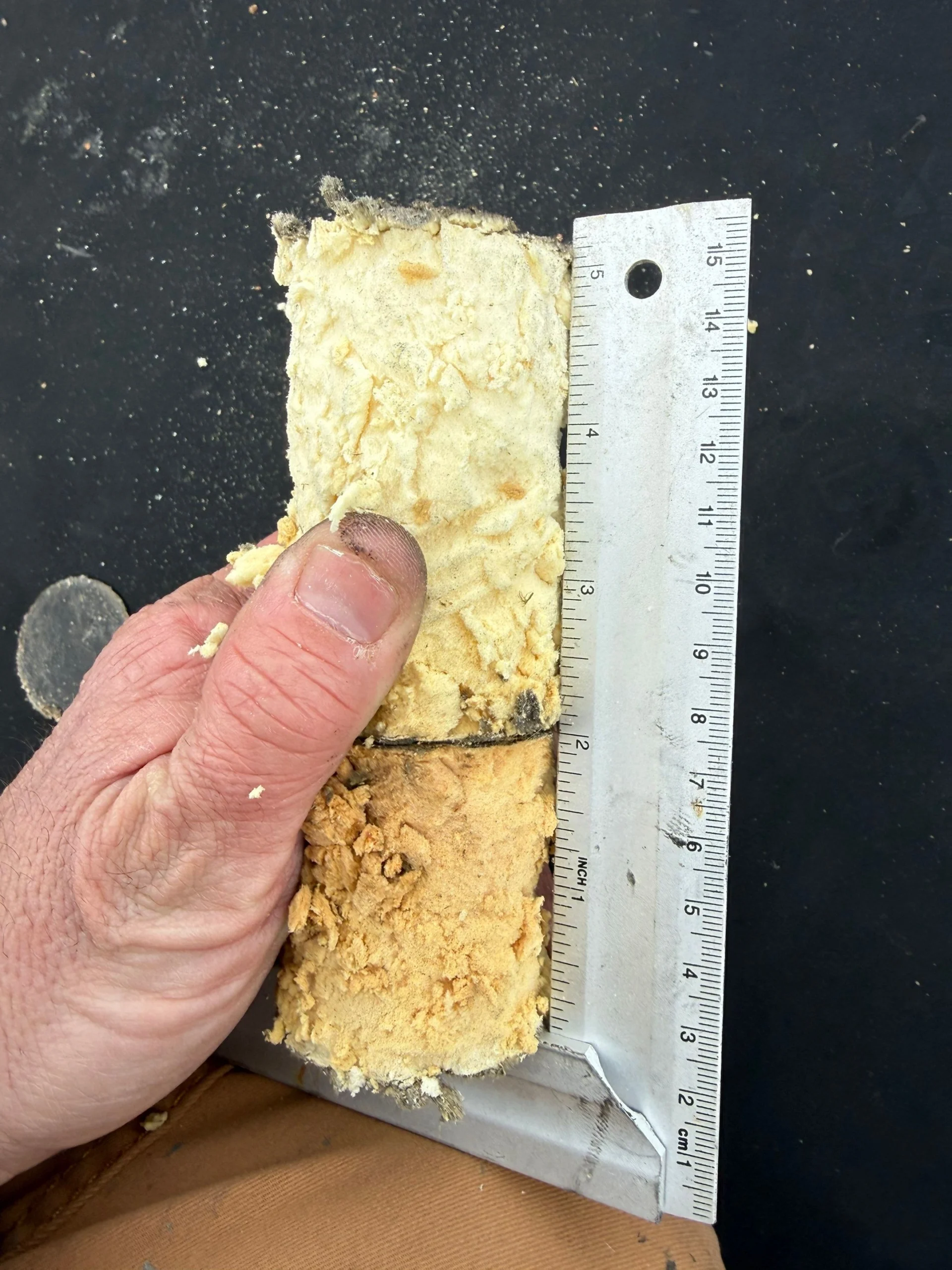
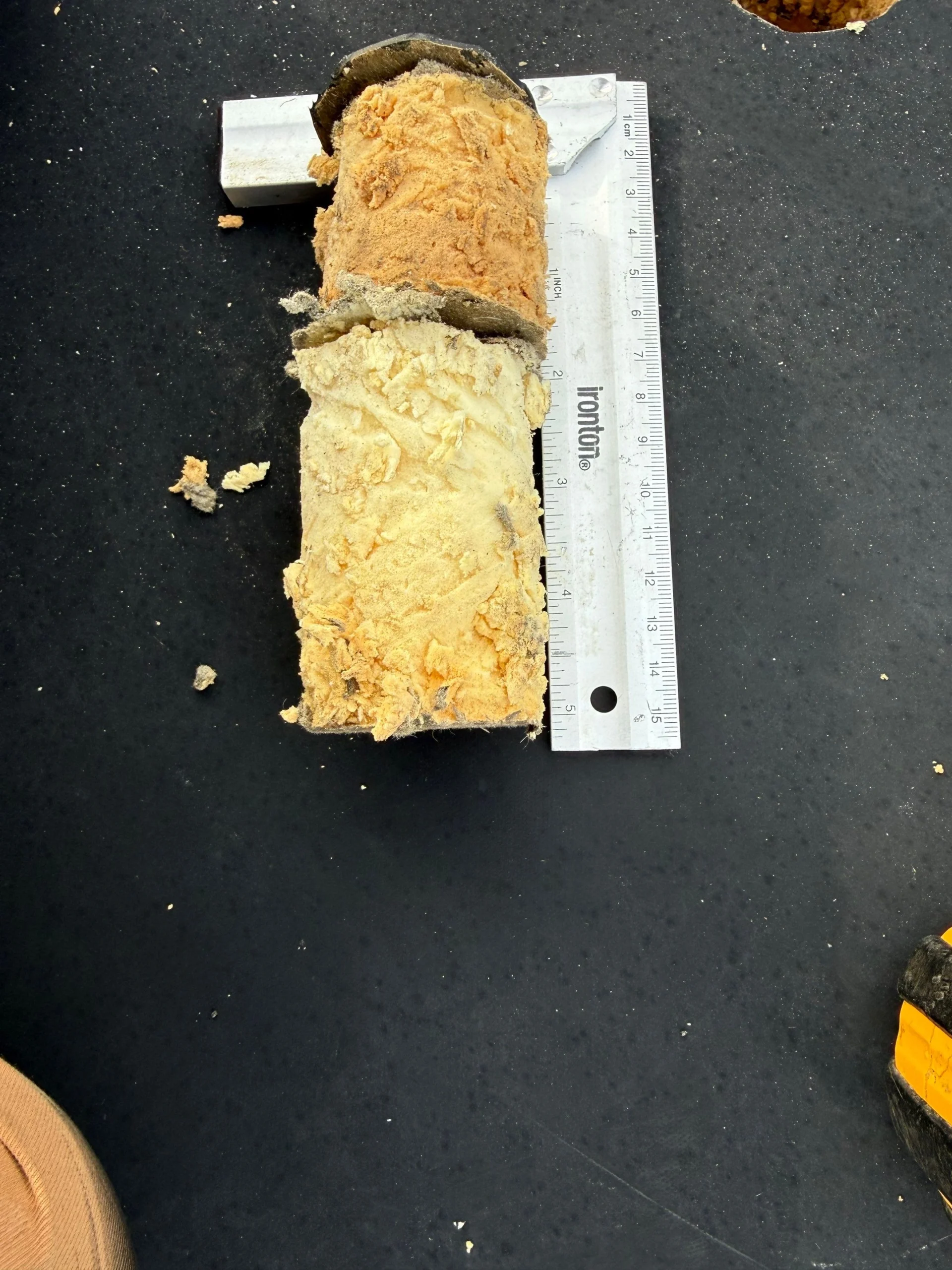
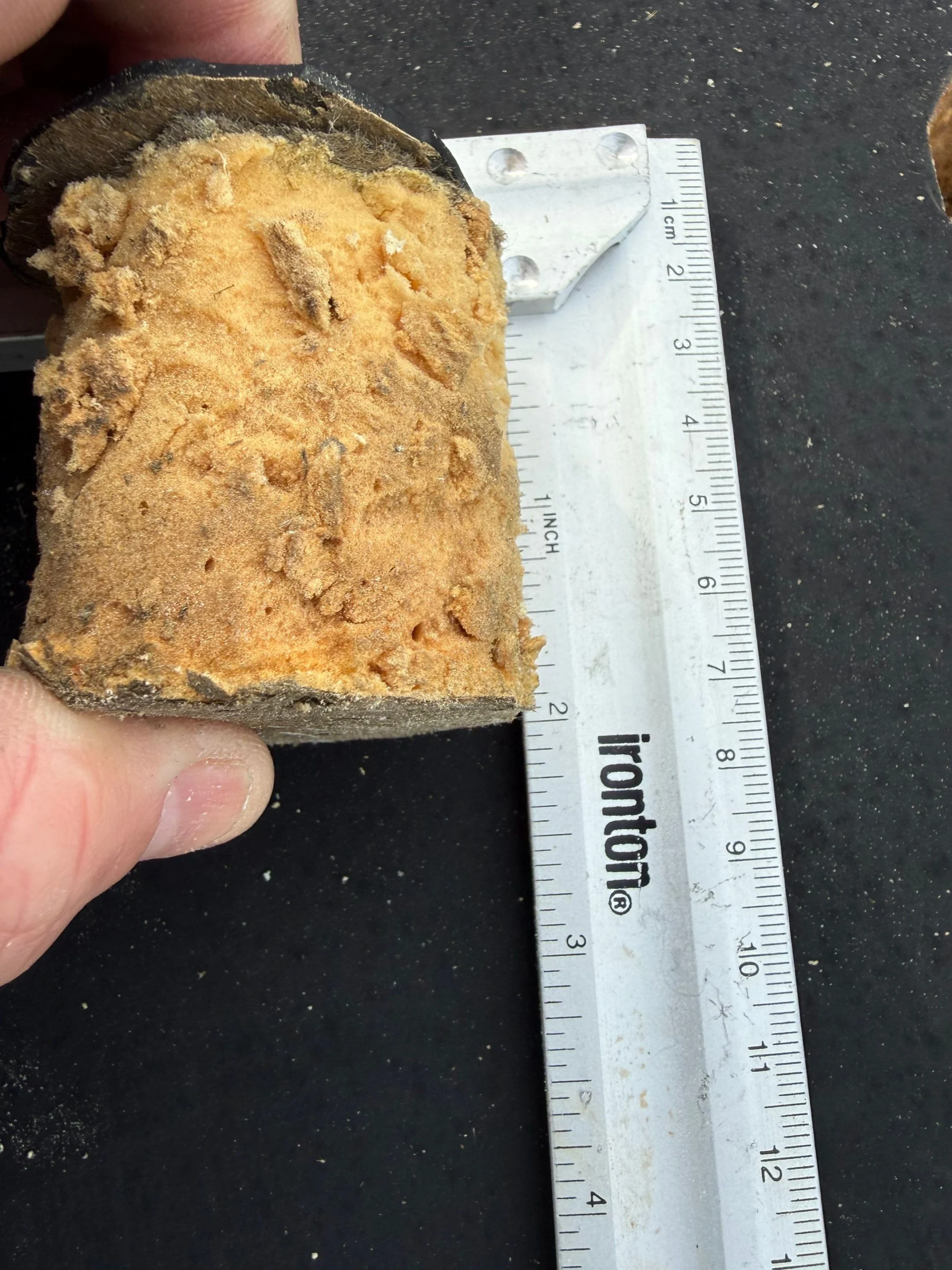
One of the biggest wins on this project came from targeted scope control.
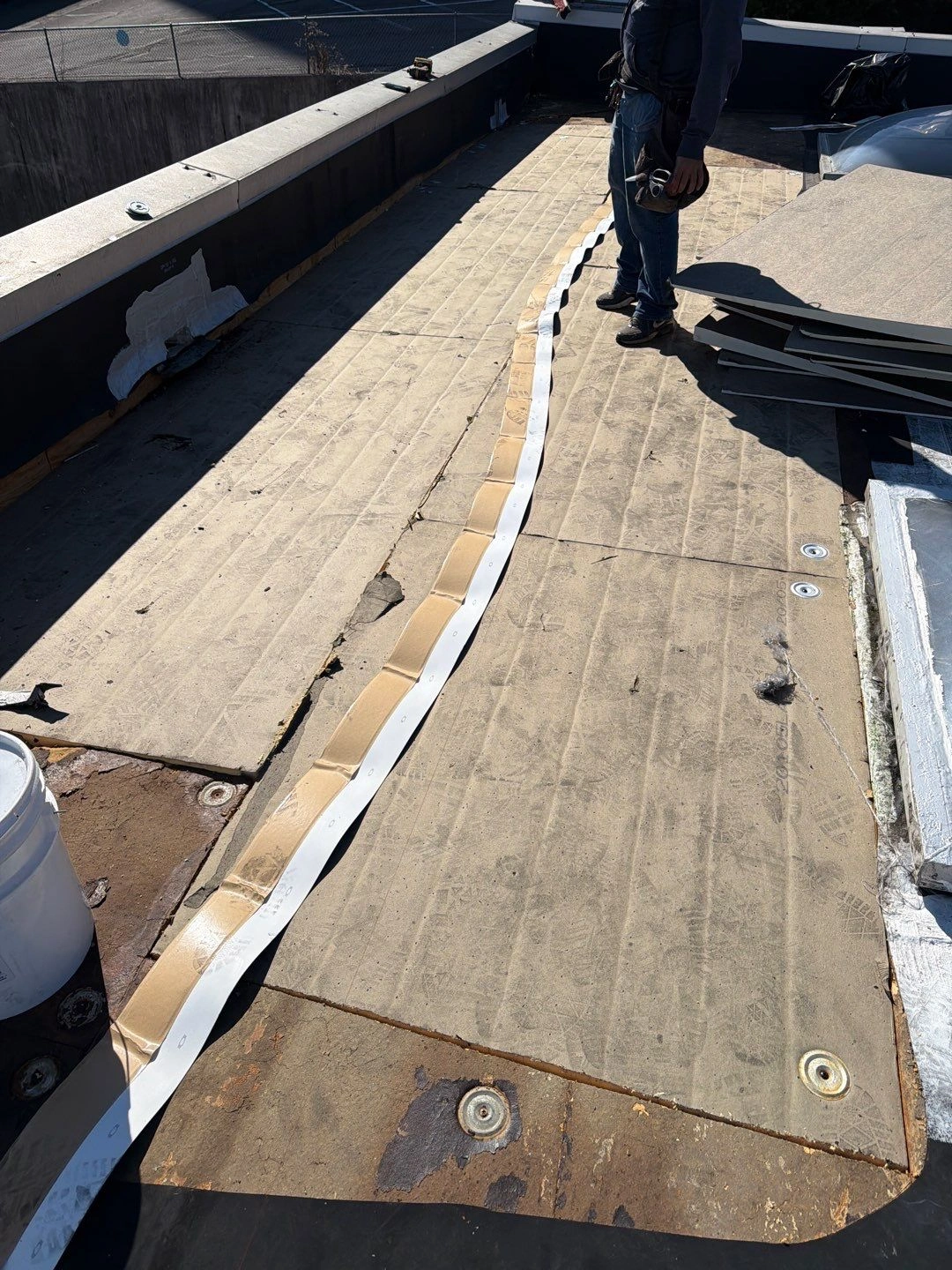
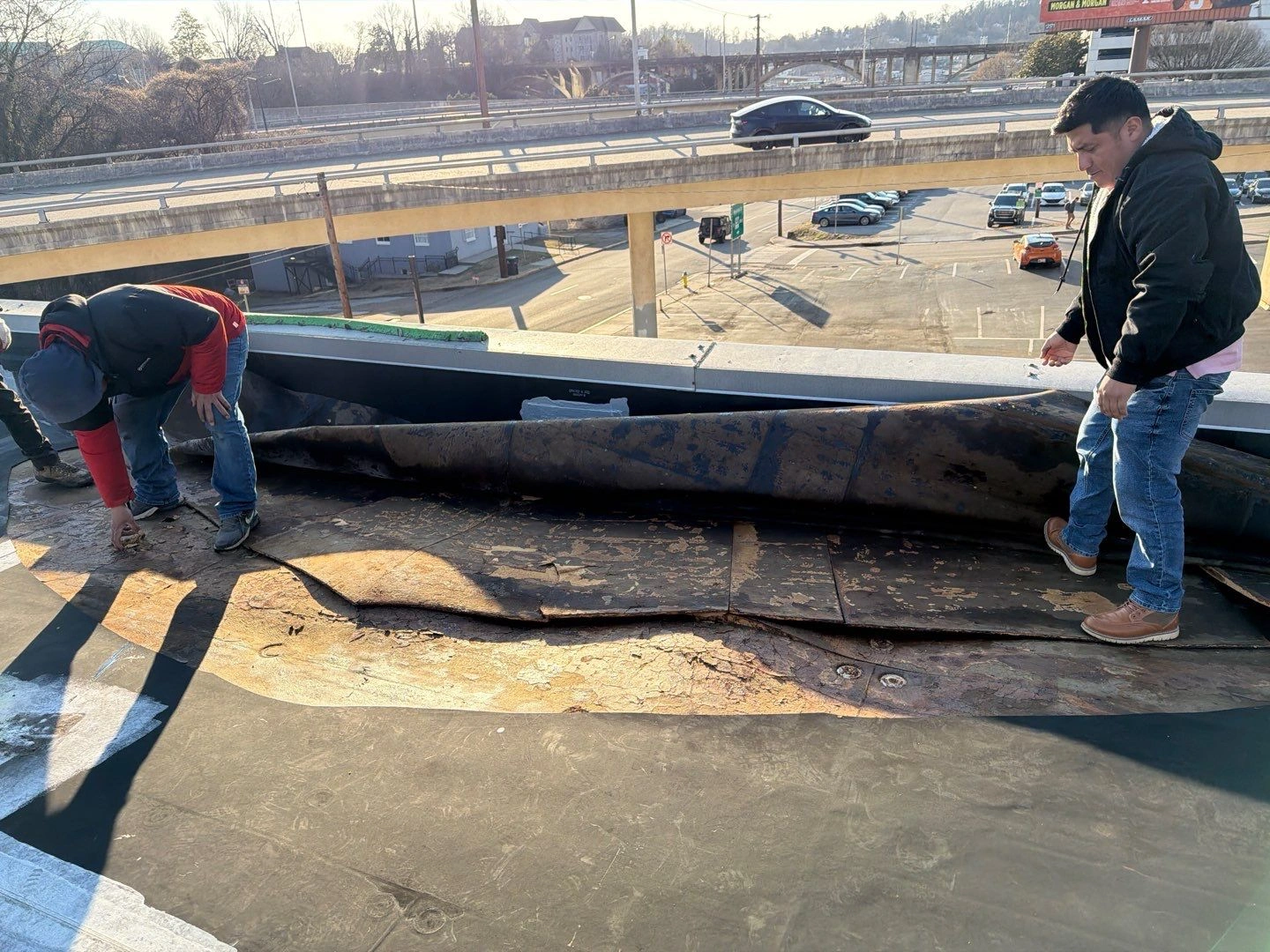
Only moisture-damaged ISO insulation was replaced rather than removing all insulation across the roof. The company attributes major cost savings to this diagnostic-first decision.
NRCA guidance supports this approach. It warns against covering over wet insulation and supports confirming moisture conditions before reroofing decisions are finalized.
That means selective replacement of wet areas is technically supportable when those areas have been properly identified.
This was not a basic flat roof. It included 16 skylights, which increased both waterproofing complexity and safety considerations.
Litespeed documented that some skylight curbs were not built high enough and would need to be built up when those skylights were eventually replaced. Internal records also state that only the two worst skylights were replaced because replacing all 16 would have cost more than replacing the entire roof.
NRCA guidance supports extending curb height when existing penetrations such as skylights do not provide adequate height for proper flashing. Litespeed’s own skylight-related content also supports the reality that commercial flat-roof skylight work can become expensive because of complexity and integration demands.
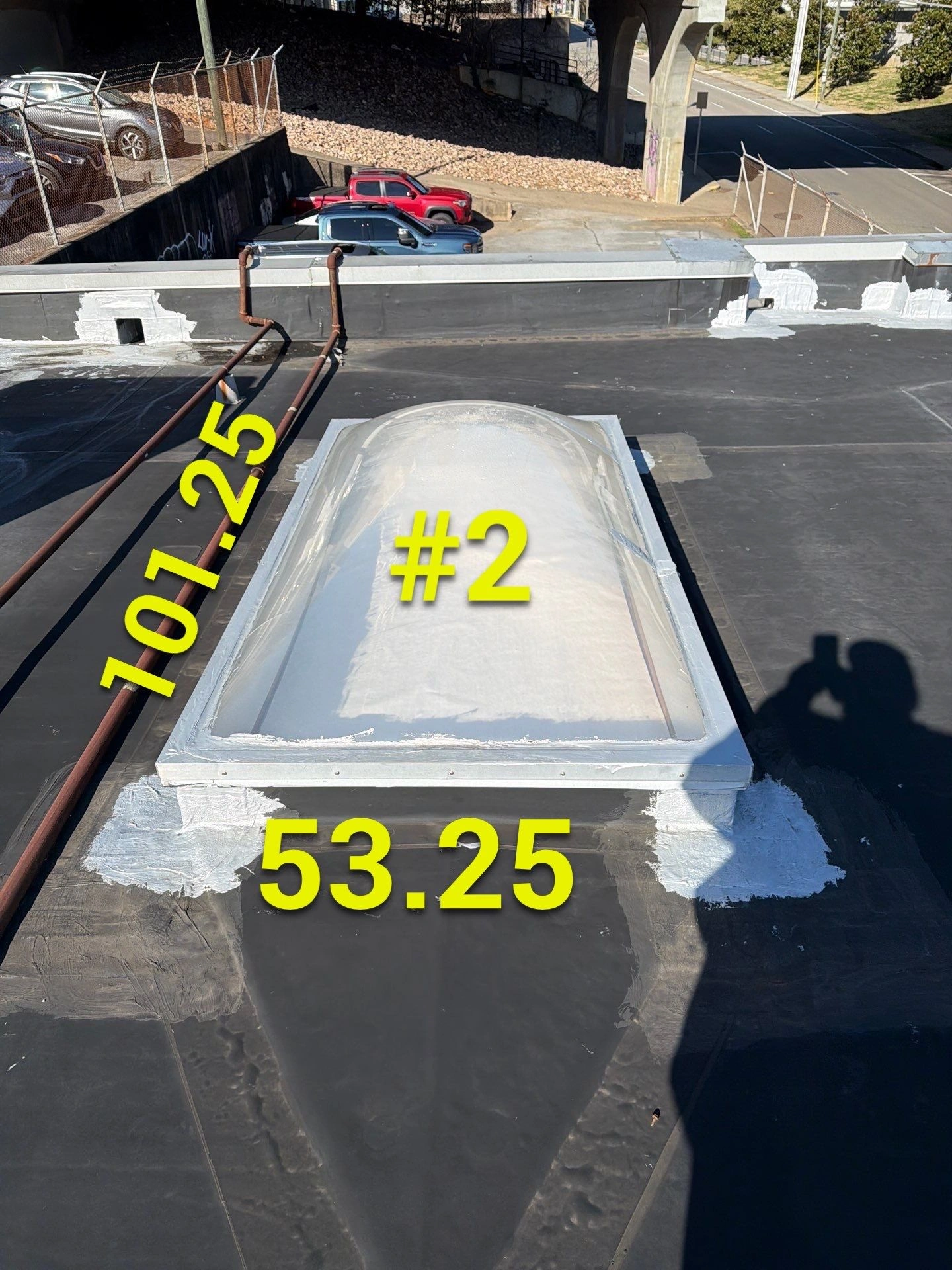
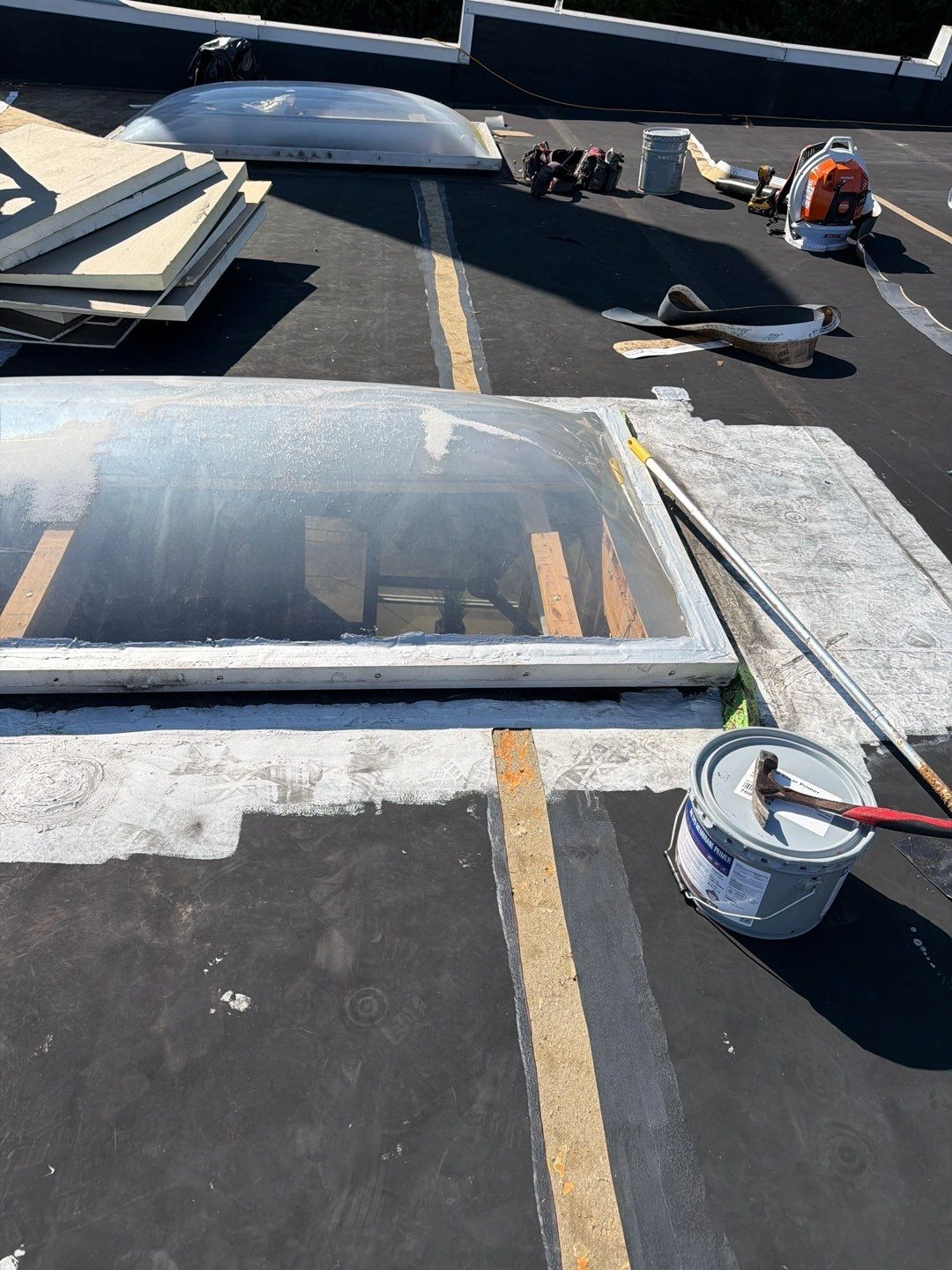
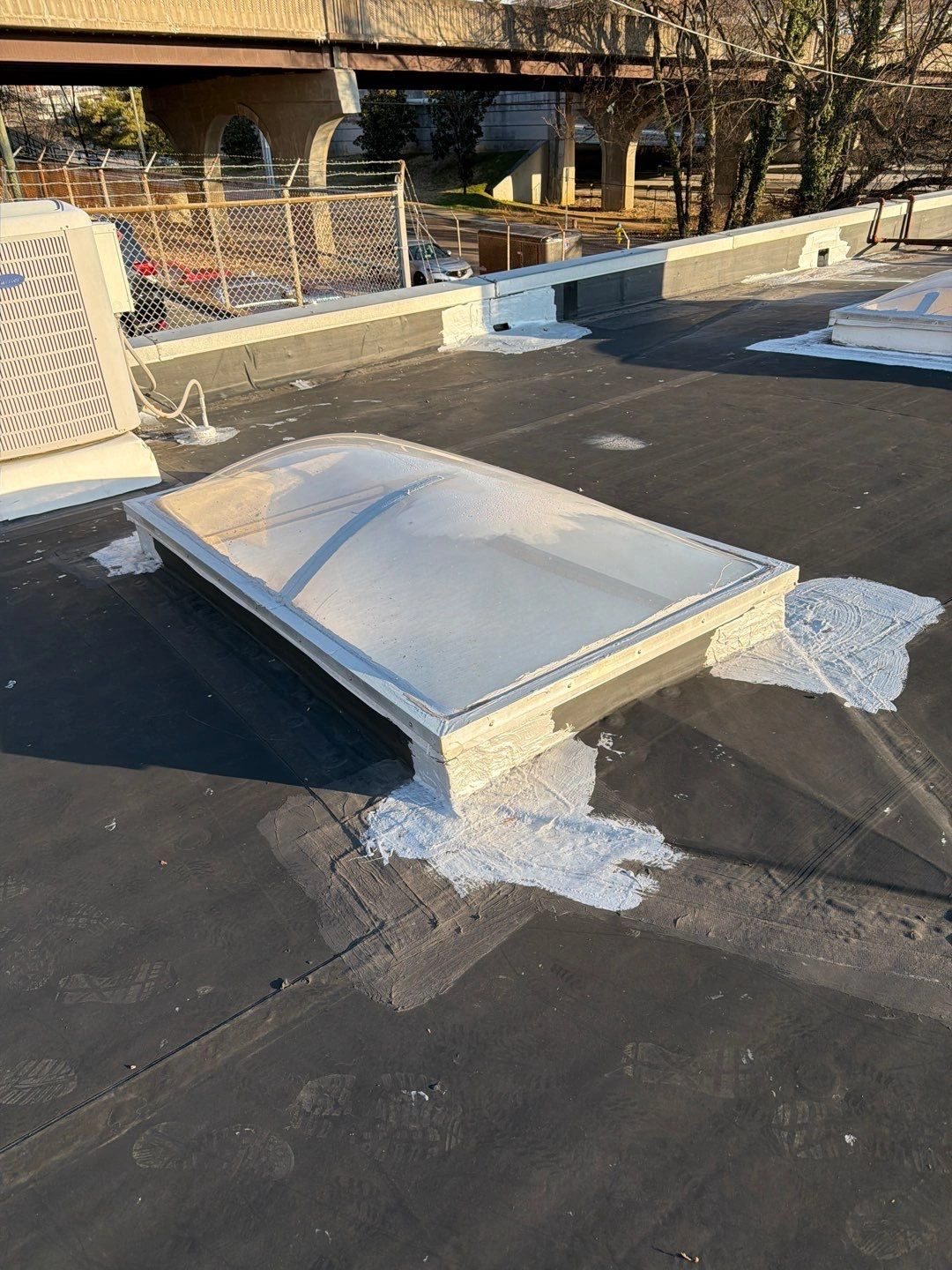
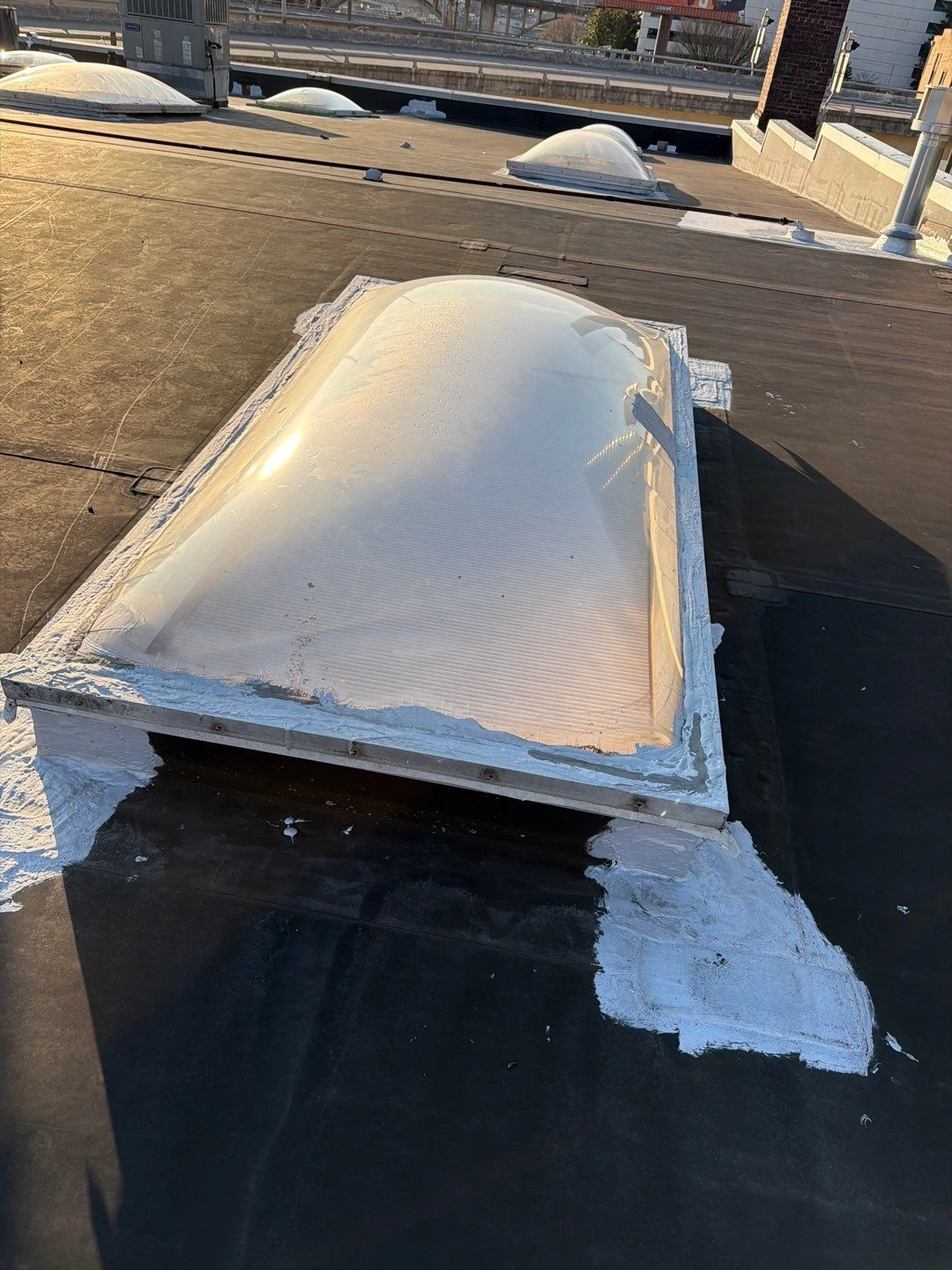
Internal project notes describe scupper drainage at the outer wall curb and confirm that drainage-related issues were part of the diagnostic process.
That fits with standard low-slope roofing logic. Drainage is not a side issue on commercial roofs. It is one of the main reasons roofs either perform well or keep failing. Litespeed’s published commercial drainage content reinforces that proper drainage is essential to preventing water intrusion and preserving the building envelope
Because this project involved low-slope roofing work around multiple skylights, safety procedures around roof openings were critical.
OSHA requires fall protection for employees engaged in roofing work on low-slope roofs when exposed to unprotected sides and edges 6 feet or more above lower levels. OSHA also treats skylights as openings that require guarding or equivalent protection, and its roofing safety materials specifically warn against falls through skylights and other roof openings.
With the roof conditions confirmed, Litespeed moved forward with a complete TPO overlay while keeping the existing EPDM membrane underneath, except in areas where wet insulation had to be replaced.
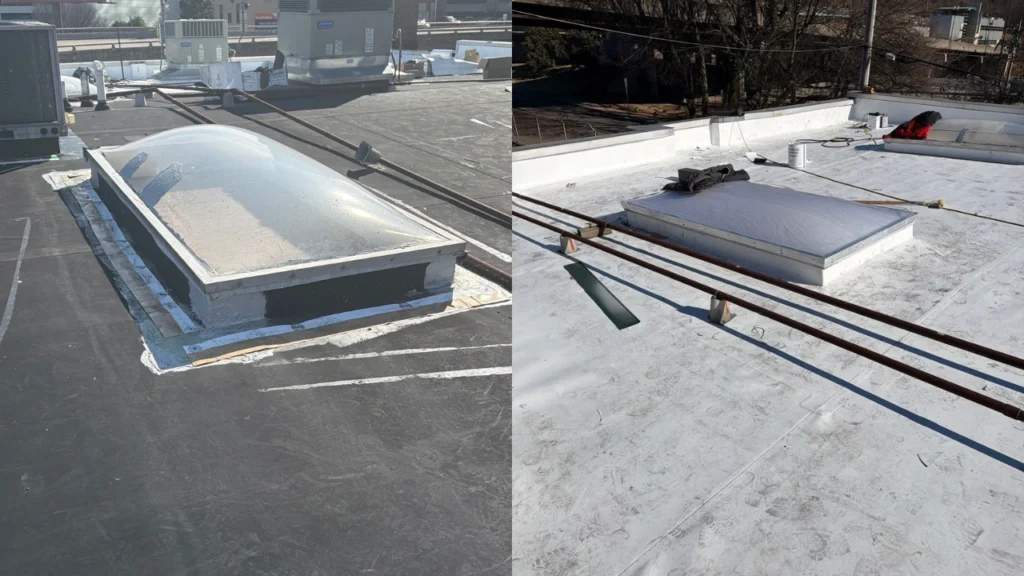
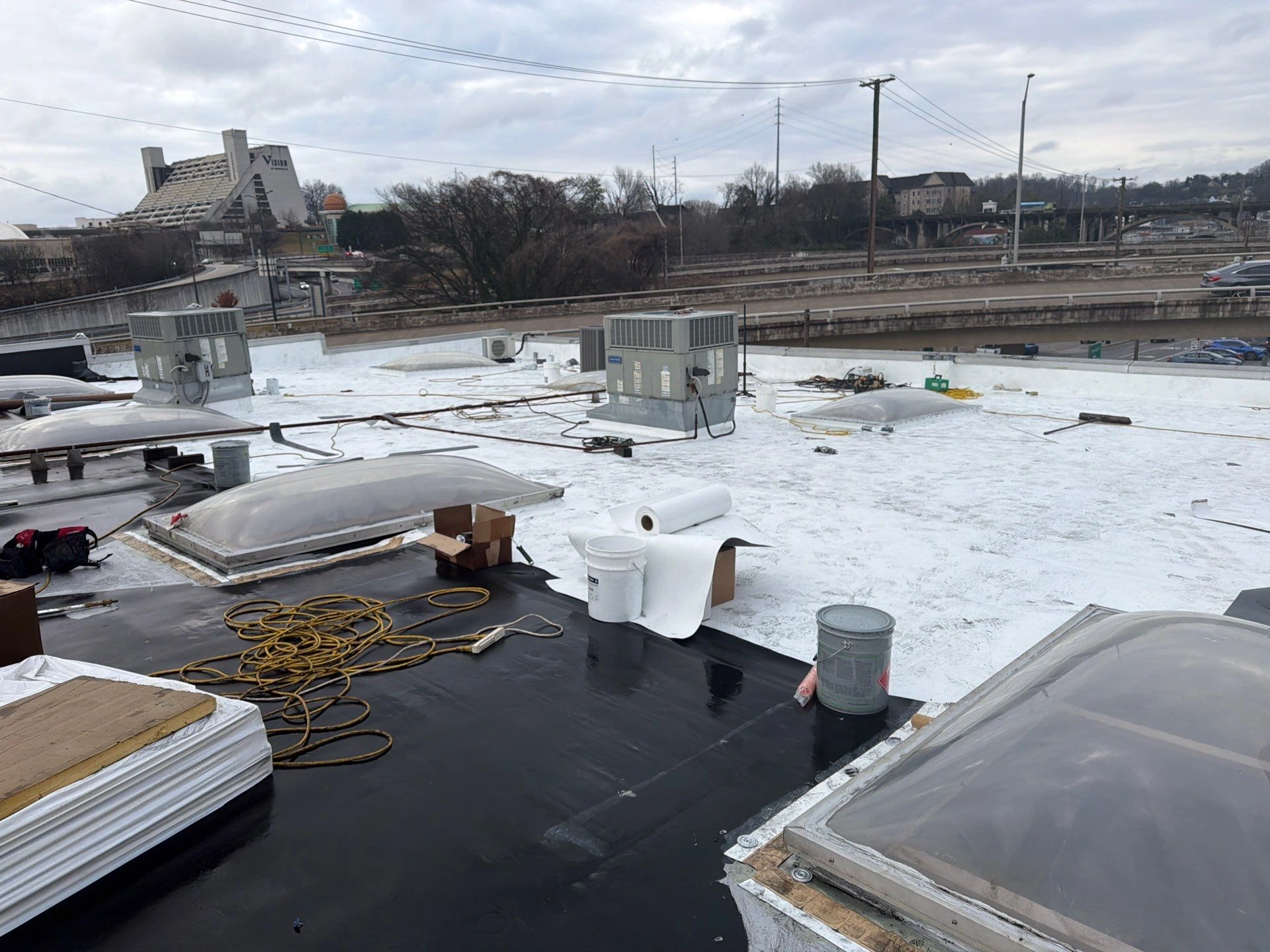
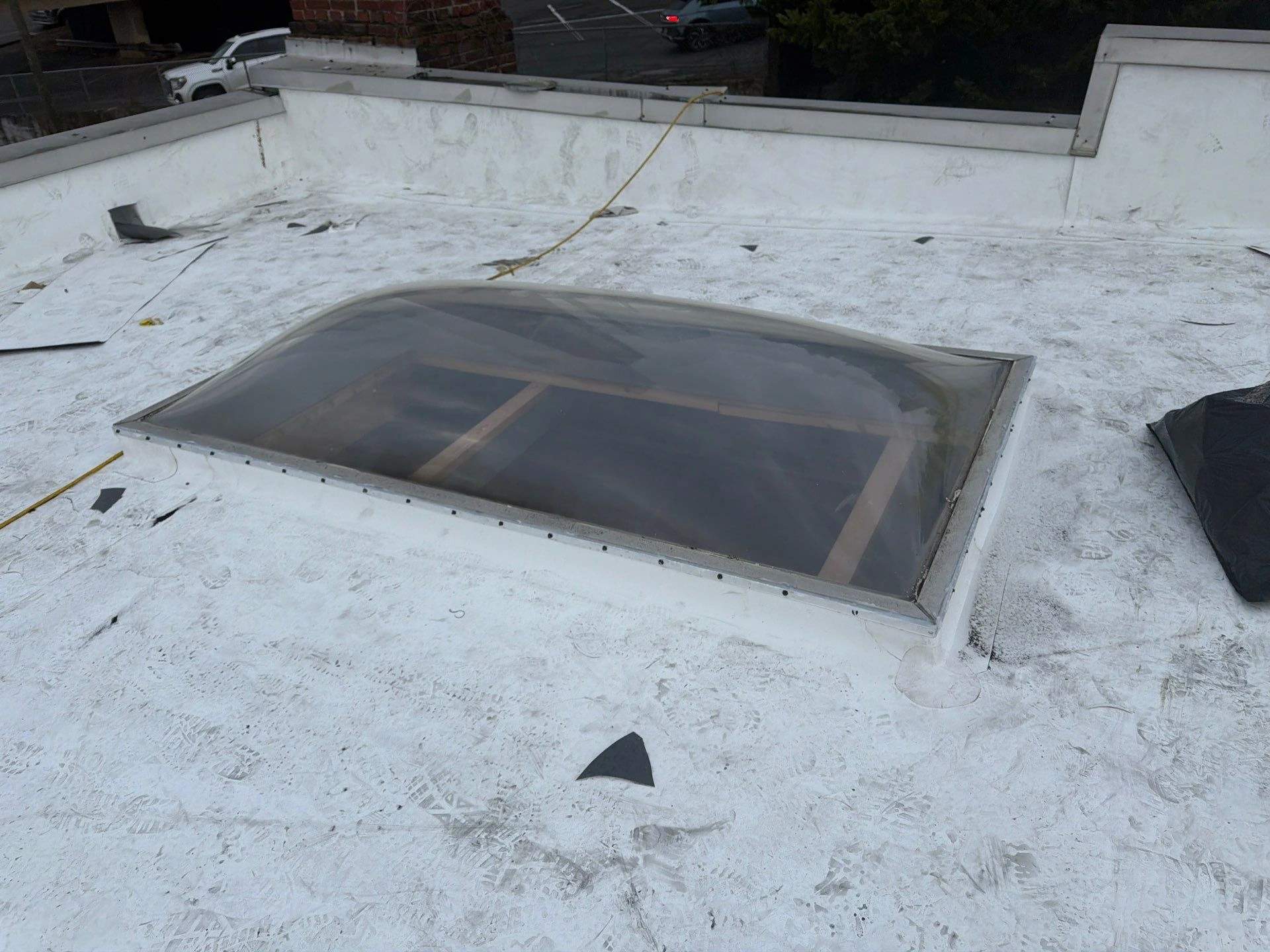
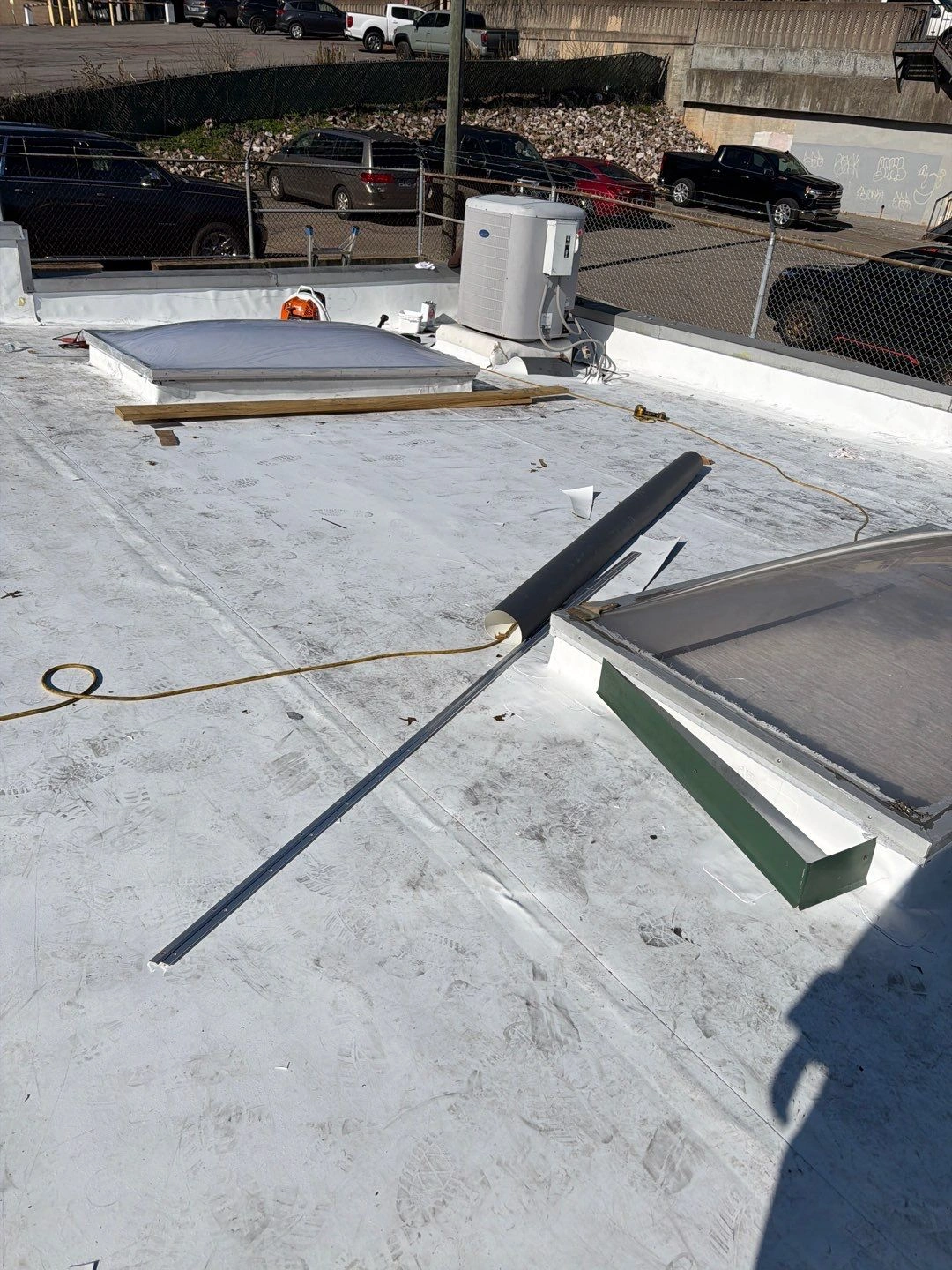
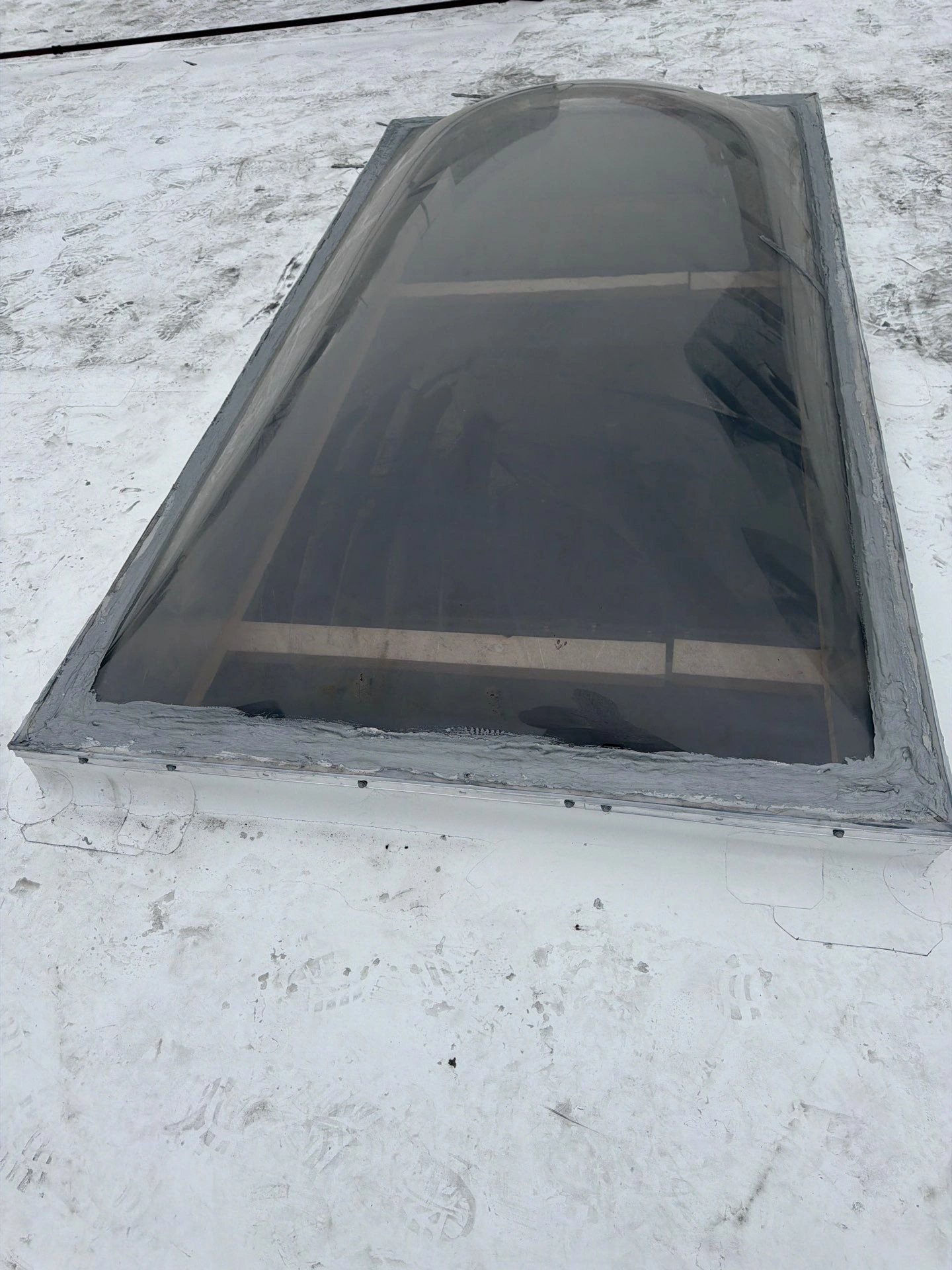
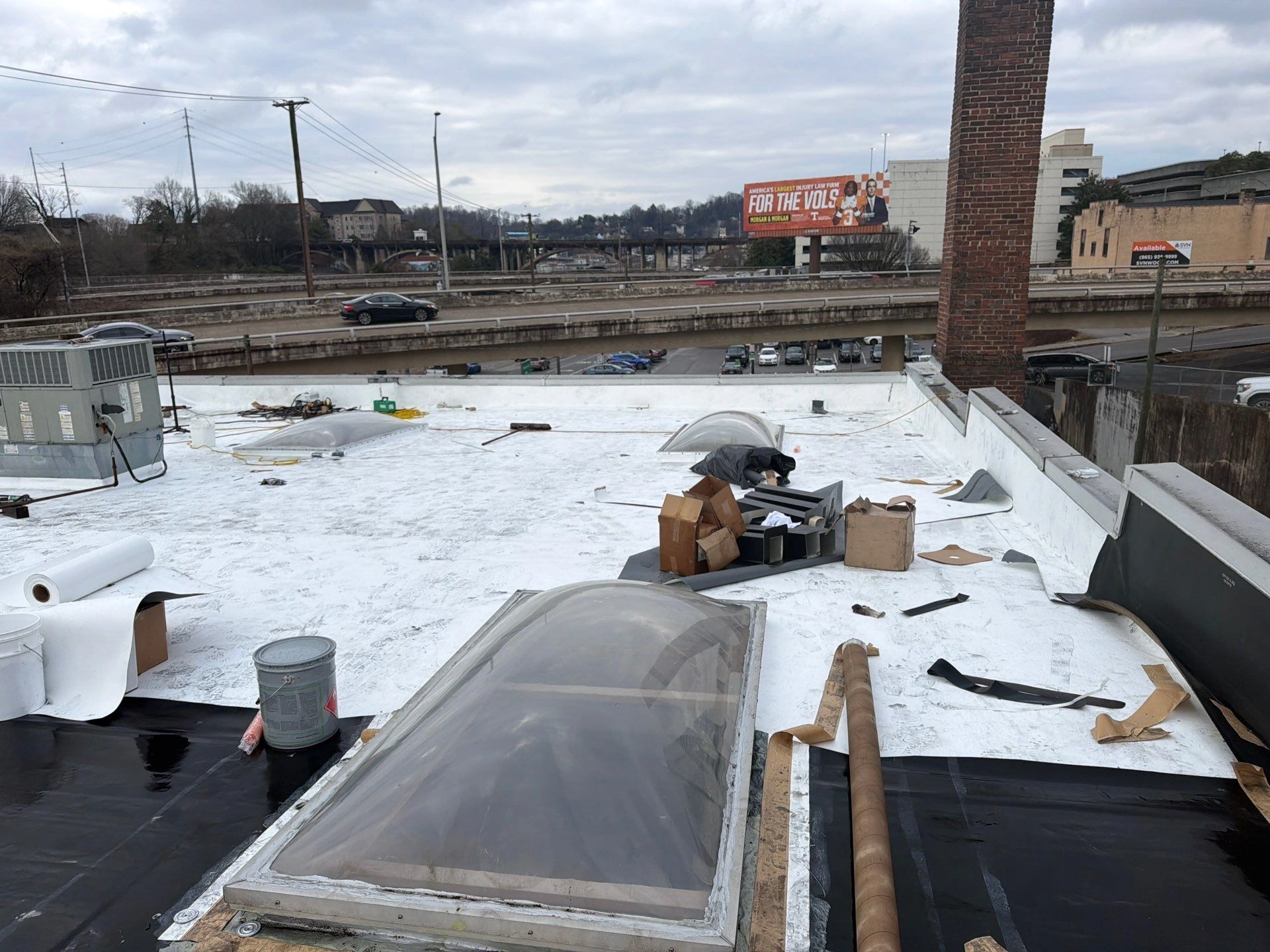
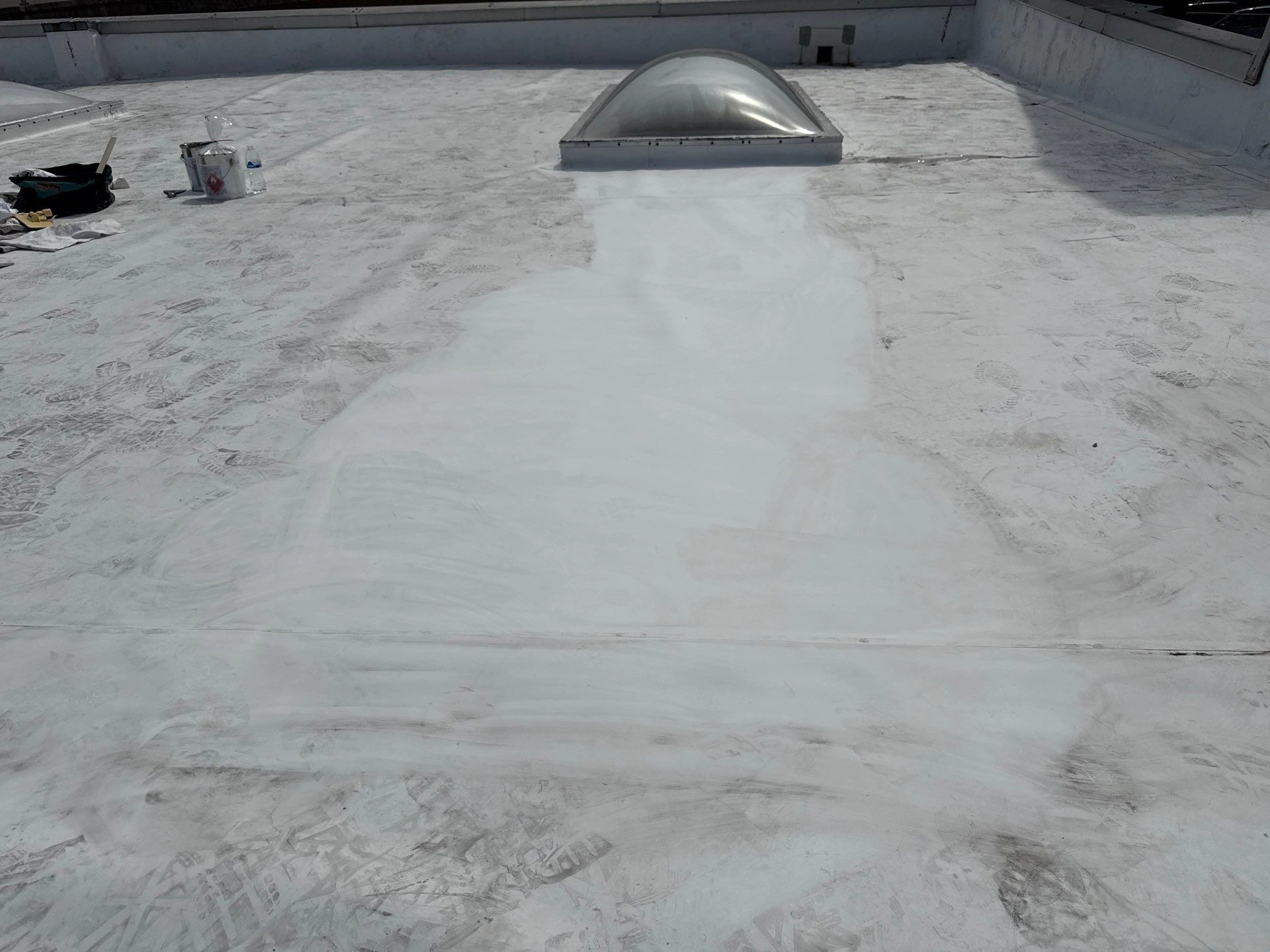
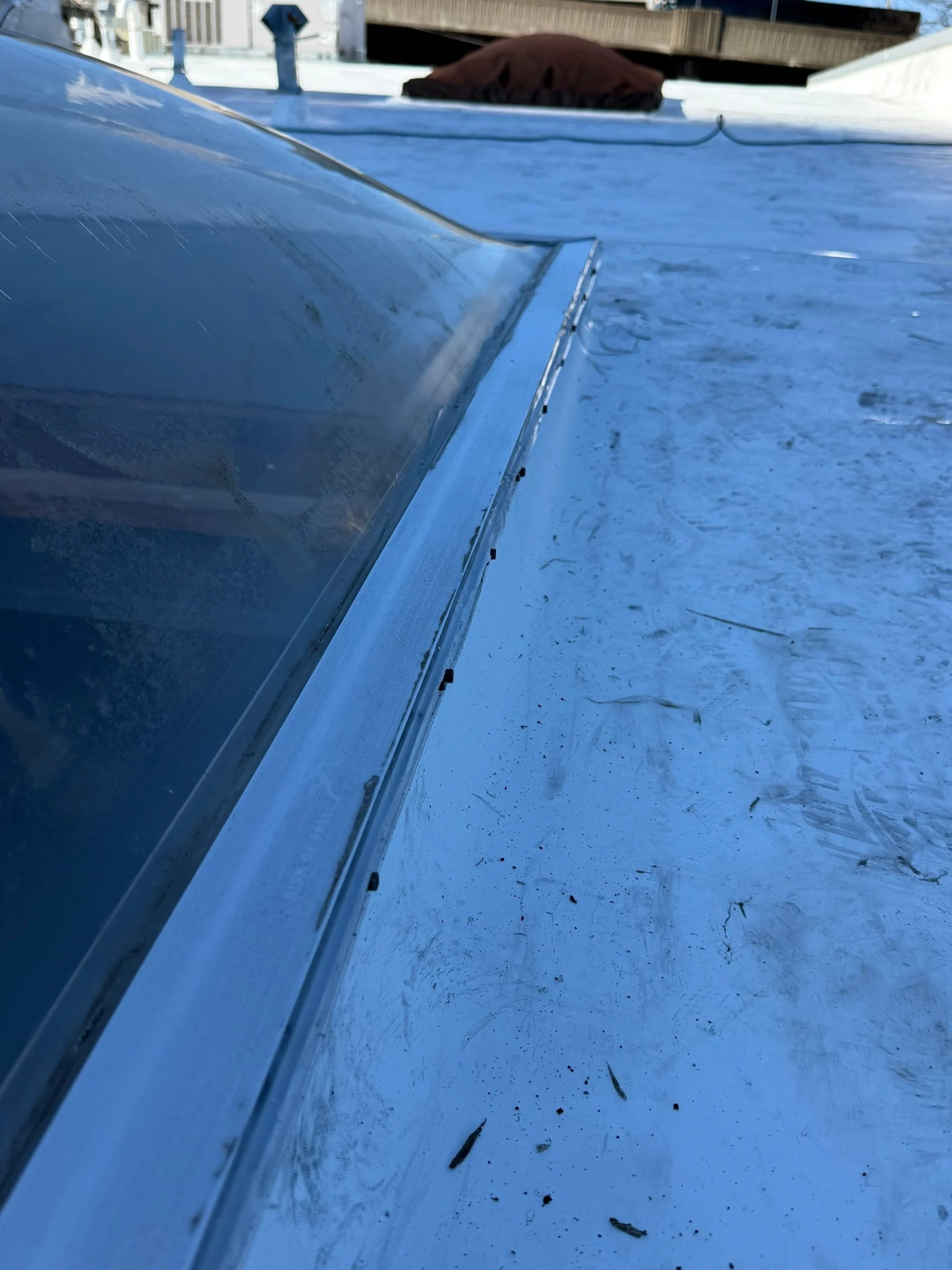
This solution aligned with the practical benefits Litespeed describes publicly for TPO overlay systems:
Litespeed also publishes content comparing TPO vs. EPDM, noting that TPO may offer advantages in some commercial applications, including better performance around standing water conditions. That makes TPO a strong candidate when an aging EPDM system has entered a repeated leak cycle and the roof can be responsibly recovered.
This Knoxville commercial roofing project shows why diagnostics matter.
Without core sampling, the client may have paid for unnecessary tear-off and replacement. Without a broader mitigation plan, the building may have stayed trapped in a repeating cycle of leaks and service calls. And without careful handling of skylights, drainage points, and wet insulation, even a new membrane would have been at risk.
Instead, Litespeed used a more strategic approach:
diagnose first, replace only what was truly compromised, and install a new TPO surface designed to stabilize the roof system and reduce future disruption.
Additionally, the commercial repair and replacement supports the underlying logic: overlays can reduce cost and time, wet insulation should be confirmed and removed where necessary, and existing penetrations and skylight conditions must be accounted for during recovery work.
According to Litespeed’s internal project notes, one of the residents and owners, Paul Paris, shared this feedback about Litespeed Construction:
“[Litespeed Construction is] helpful if you are trying to understand roofing problems and solutions.”
If your building keeps leaking and repairs are no longer lasting, it may be time to look beyond patchwork. Litespeed Construction helps commercial property owners in Knoxville diagnose low-slope roofing problems, identify wet insulation, evaluate overlay options, and build cost-conscious solutions that match the roof’s actual condition.
Schedule a commercial roof inspection with Litespeed Construction today.
We use cookies to improve your experience on this site. By continuing, you accept our use of cookies. Privacy Policy California residents may opt out of the sale of personal data.
Required for the site to function. Cannot be disabled.
Helps us understand how visitors use the site (Google Analytics, etc.).
Used for advertising and embedded content (YouTube, Facebook, etc.).