
GAF Timberline HDZ Shingle Roof Replacement in Oak Ridge, TN 37830
Residential Roofing Case Study: Replacing an End-of-Life 3-Tab Roof in Oak Ridge
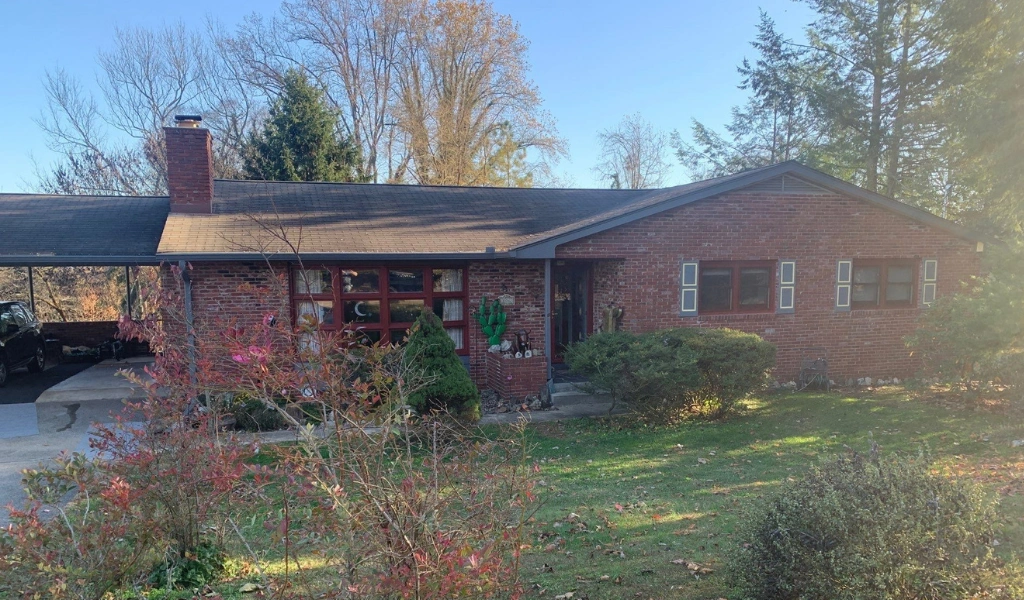
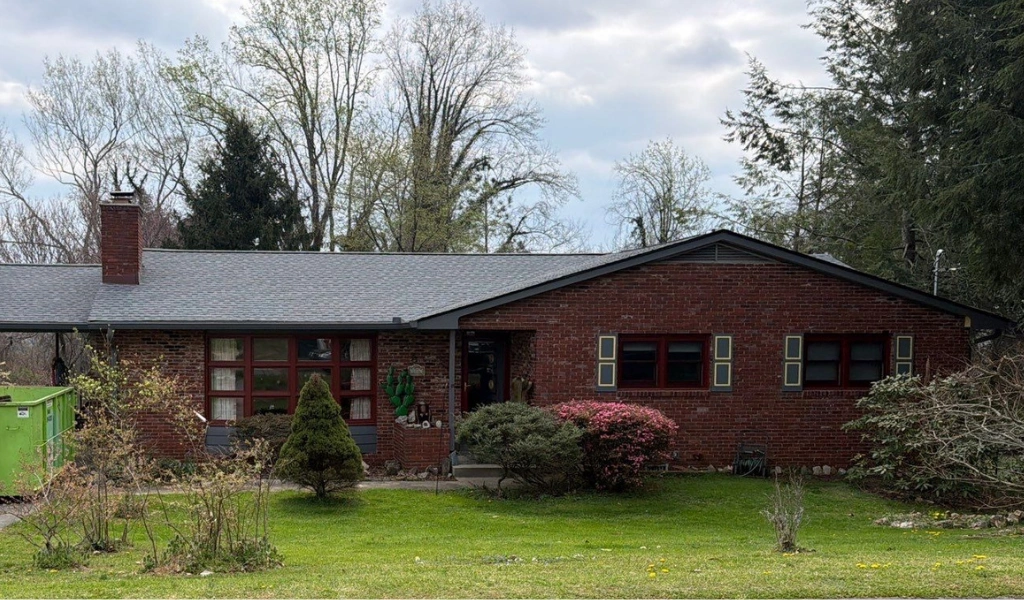
INTRODUCTION
An aging roof does not always fail in one obvious place. Sometimes the more important warning sign is that multiple parts of the roofing system are reaching the end of their useful service life at the same time.
That was the situation at this residential property in Oak Ridge, Tennessee 37830. Inspection photos documented older 3-tab asphalt shingles described as being at the end of their life, along with deteriorated sealant protecting fasteners at a roof detail and aging flashing around roof penetrations.
The homeowner ultimately authorized a complete roof replacement using GAF Timberline HDZ shingles rather than continuing to rely on an aging 3-tab roof system.
AT A GLANCE
Project type: Residential roof replacement
Location: Oak Ridge, TN 37830
Existing roof: Aging 3-tab asphalt shingles
Primary condition: Widespread end-of-life shingle wear
Additional concerns: Deteriorated sealant at roofing fasteners and aging flashing details
Selected shingle system: GAF Timberline HDZ
Roofing scope: Tear-off, roof-deck inspection, synthetic underlayment, valley protection, drip edge, step flashing, ridge ventilation, hip and ridge caps, pipe flashing, shingles, cleanup and disposal
The Challenge: An Aging 3-Tab Shingle Roof
The inspection did not document one isolated missing shingle or a single damaged area.
Instead, photos from several roof slopes showed widespread wear. The original inspection documentation specifically labeled portions of the existing roof as “old 3-tab shingles at end of life” and “shingles worn out @ end of life.”
That distinction is important.
A localized roofing defect may sometimes be addressed with a targeted repair. When the field shingles themselves show widespread age-related deterioration, however, repairing individual details does not renew the rest of the roofing system.
The inspection also documented several of the areas that deserve special attention on an aging shingle roof, including roof penetrations and flashing transitions.
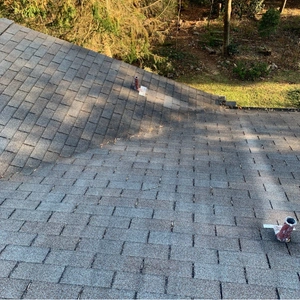
Granules missing from the roof shingles are a common sign of an old roof that is at it’s end of life.
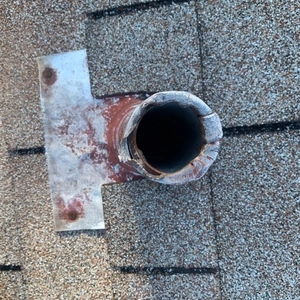
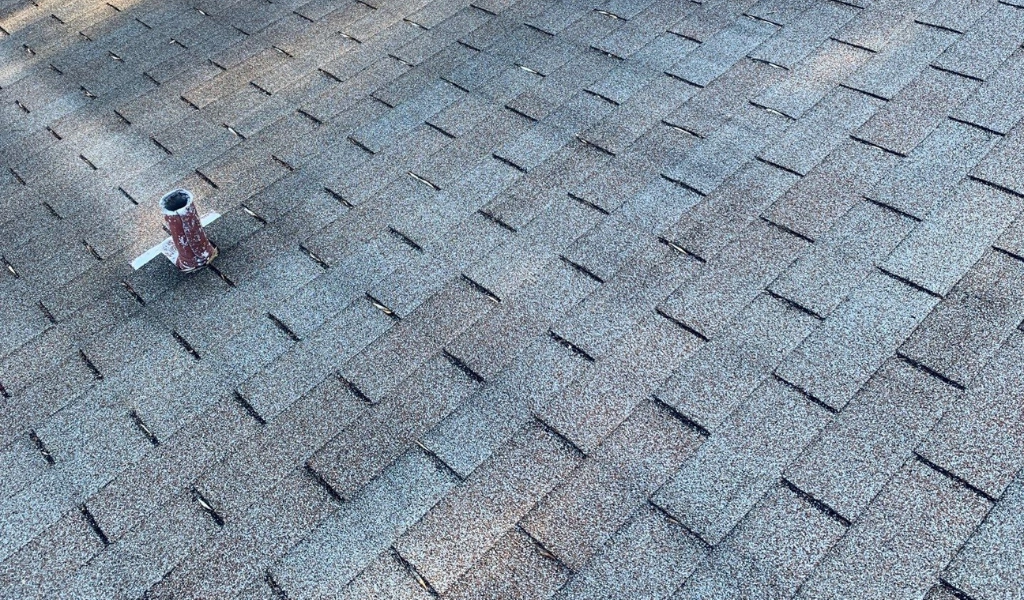
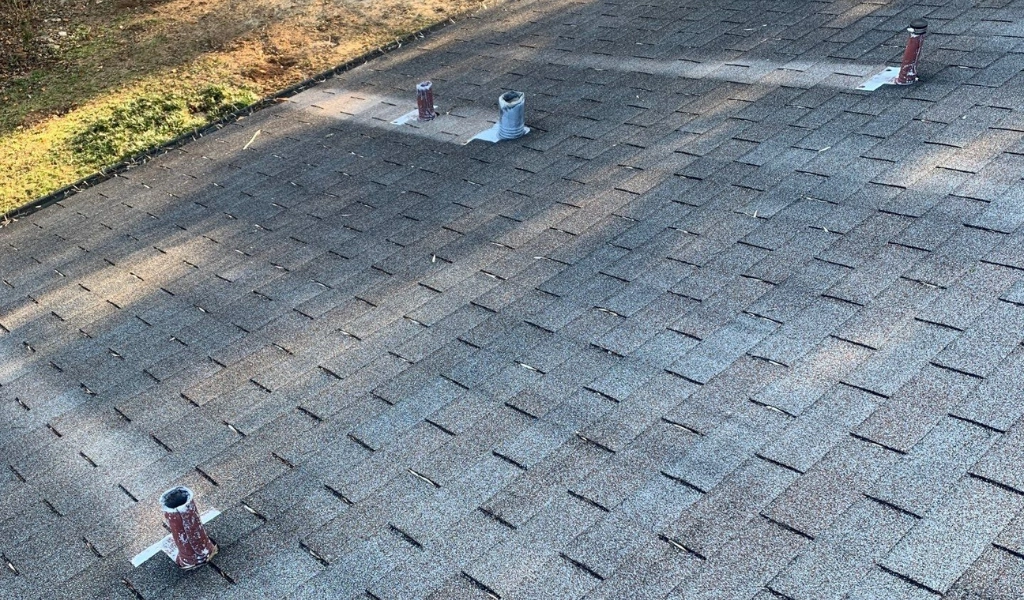
An old pipe boot that is no longer functioning at keeping water out.
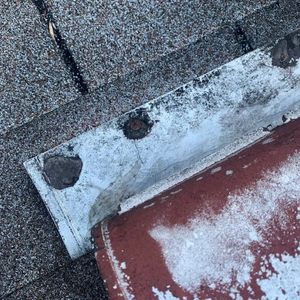
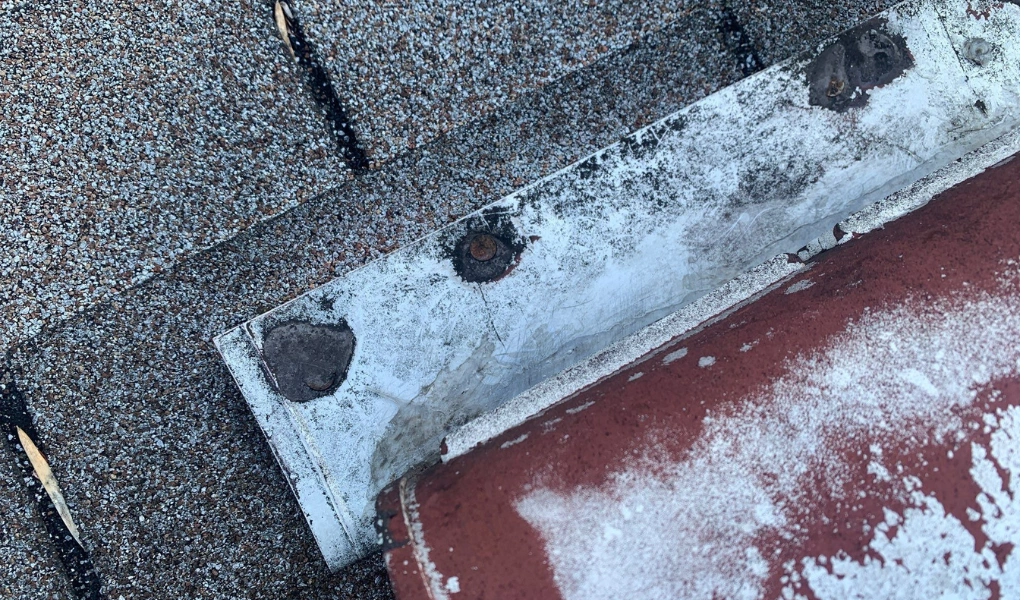
Missing caulk around roof penetrations is a common cause of roof leaks.
Scope of Work
What the Roof Inspection Found
The Existing 3-Tab Shingles Were at the End of Their Life
The most significant documented condition was the overall age and wear of the existing shingle system.
Three-tab asphalt shingles were visible across the home, and inspection photographs showed deterioration extending across multiple roof planes rather than being confined to one small section.
Once shingles have experienced widespread aging, the issue becomes larger than the appearance of an individual tab. The roofing system still has to manage water across valleys, edges, penetrations, walls, ridges and transitions throughout the roof.
The authorized project therefore addressed the roof as a complete system rather than simply installing isolated replacement shingles.
Protective Sealant Around Fasteners Had Deteriorated
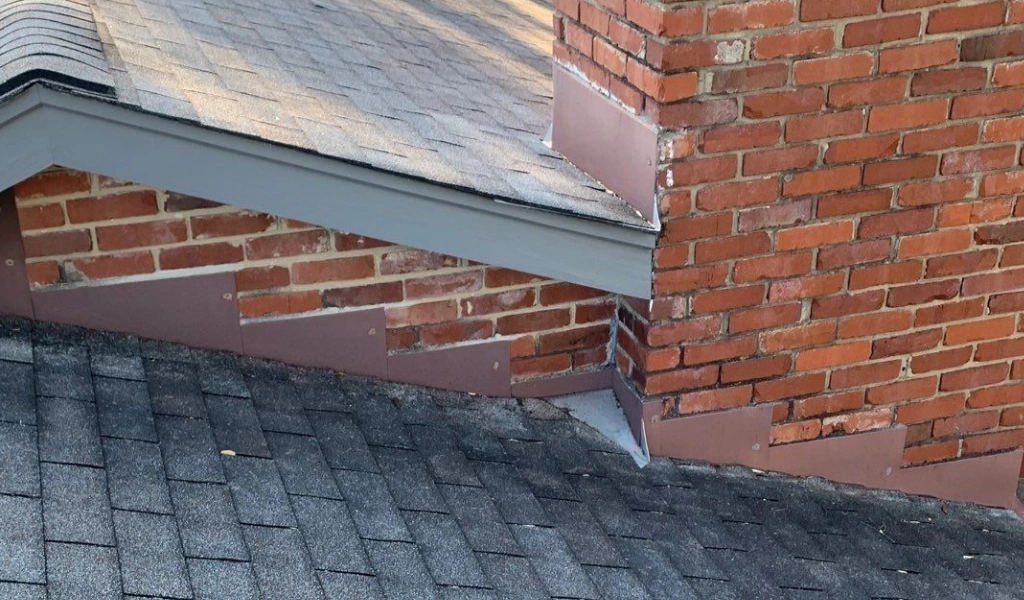
One inspection photograph documented a metal roofing detail where the caulk protecting exposed nails had worn away.
That may appear minor compared with the condition of the shingles, but details like this matter.
Exposed or inadequately protected fasteners can become potential water-entry points as sealant deteriorates. Flashing is designed to direct water away from roof intersections and penetrations, so the condition of the flashing, fasteners and surrounding seals deserves attention during an inspection.
Pipe Penetrations Were Part of the Existing Roof System
The inspection also photographed an existing plumbing vent penetration and its metal flashing.
Pipe flashing – often called a pipe boot – seals the area where a plumbing vent passes through the roof. Because the pipe physically interrupts the shingle field, it needs a properly integrated flashing assembly to keep water from traveling around the penetration and beneath the roofing.
The replacement proposal included new pipe flashing as part of the reroofing scope.
Chimney and Roof-to-Wall Details Required Proper Integration
The brick chimney created another interruption in the shingle field.
Photos document the metal flashing system where the shingles meet the masonry. These transitions require careful detailing because water running down the roof has to be redirected around the chimney rather than allowed behind the shingles or against the roof deck.
The project scope included wall flashing & chimney flashing as part of the new roofing system.
| Before | New Roofing System |
|---|---|
| Aging 3-tab shingles | ✓ GAF Timberline HDZ shingles |
| End-of-life shingle wear | ✓ New asphalt-shingle field |
| Aging penetration flashing | ✓ New pipe flashing included in reroof |
| Worn fastener sealant | ✓ Renewed roofing and flashing details |
| Existing roof covered the decking | ✓ Tear-off exposed deck for inspection |
The Solution: A Complete GAF Timberline HDZ Roof System
The homeowner’s signed selected the GAF Timberline HDZ roofing option.
The project was structured as a complete reroof rather than a shingle-over installation. The existing roofing was removed down to the roof decking so the underlying surface could be evaluated before the new materials were installed.
That approach matters on an older roof because shingles conceal the condition of the wood below them.
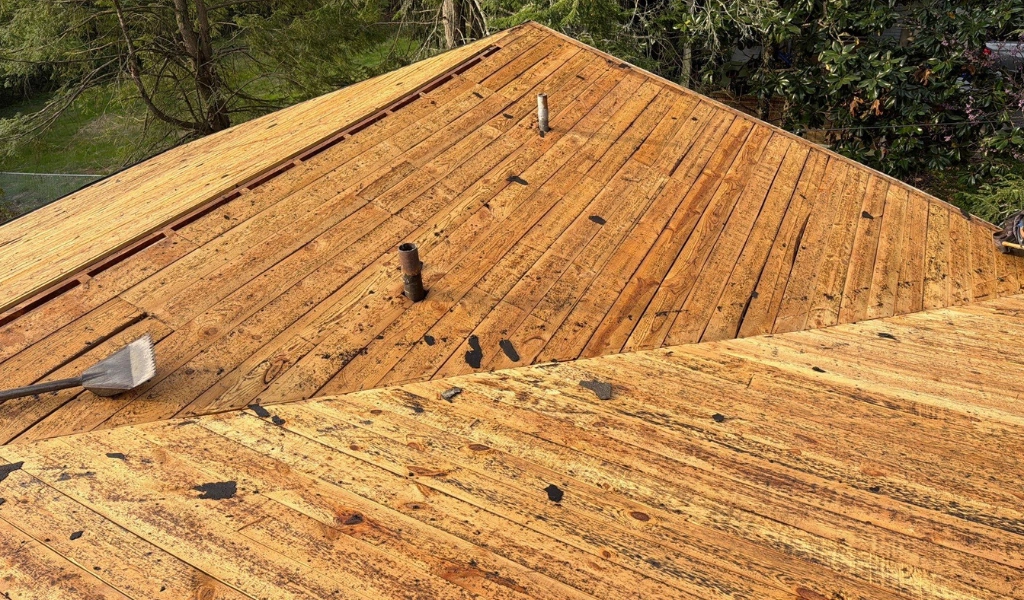
A project photograph taken during tear-off shows the existing plank roof decking fully exposed. With the old roofing removed, loose wood could be re-nailed and any damaged decking discovered during the work could be addressed before being covered by the new roof.
The supplied records do not state that specific decking boards ultimately required replacement, so no decking-replacement claim should be made for this project.
Roofing Work Included in the Project
The authorized roof system included several components that work together rather than relying on shingles alone:
- removal and disposal of the existing single-layer roofing system;
- exposure and inspection of the roof decking;
- re-nailing of loose wood as needed;
- synthetic underlayment over the roof deck;
- self-adhering ice-and-water protection in valleys;
- drip-edge flashing at roof edges;
- step flashing at roof-to-wall transitions;
- ridge ventilation;
- hip and ridge cap shingles;
- pipe flashing around plumbing penetrations;
- GAF Timberline HDZ shingles;
- jobsite cleanup, gutter cleaning and magnetic nail sweeping.
The installation photos document the progression from the exposed wood decking to the finished shingle surface and completed penetration details.
Why These Roofing Details Matter
Shingles Are Only One Layer of the Roof
Homeowners naturally notice shingles first because they make up most of the visible roof.
A functioning asphalt-shingle roof, however, is a system.
Underlayment provides an additional protective layer beneath the shingles. The drip edge helps manage water at the perimeter of the roof. Flashing protects interruptions and intersections in the roof. Ridge caps protect the peaks, while ventilation components help manage conditions within a vented attic assembly.
Replacing an old roof is therefore an opportunity to address the supporting roofing components along with the visible shingle surface.
Flashing Protects Some of the Roof's Most Vulnerable Areas
A continuous shingle field is comparatively straightforward. Chimneys, plumbing pipes, walls and other penetrations interrupt that field.
Flashing bridges those interruptions and directs water back onto the water-shedding surface of the roof.
That is why the worn sealant documented during this Oak Ridge roof inspection mattered even though it occupied only a small portion of the overall roof.
Tear-Off Allows the Roof Deck to Be Evaluated
The condition of the decking cannot always be determined from the exterior while the shingles and underlayment remain in place.
Removing the existing roofing exposes that substrate.
On this project, the installation photographs provide a clear view of the existing plank decking after tear-off. The proposal specifically provided for loose wood to be re-nailed and damaged material to be replaced if discovered.
Pipe Flashing Should Not Be Treated as an Afterthought
Plumbing vents are necessary, but every penetration creates another place where the roofing system must control water.
The finished-project photographs show new flashing assemblies around the vent pipes incorporated into the new shingle field rather than leaving the old penetration details isolated within the new roof.
The Finished GAF Timberline HDZ Roof
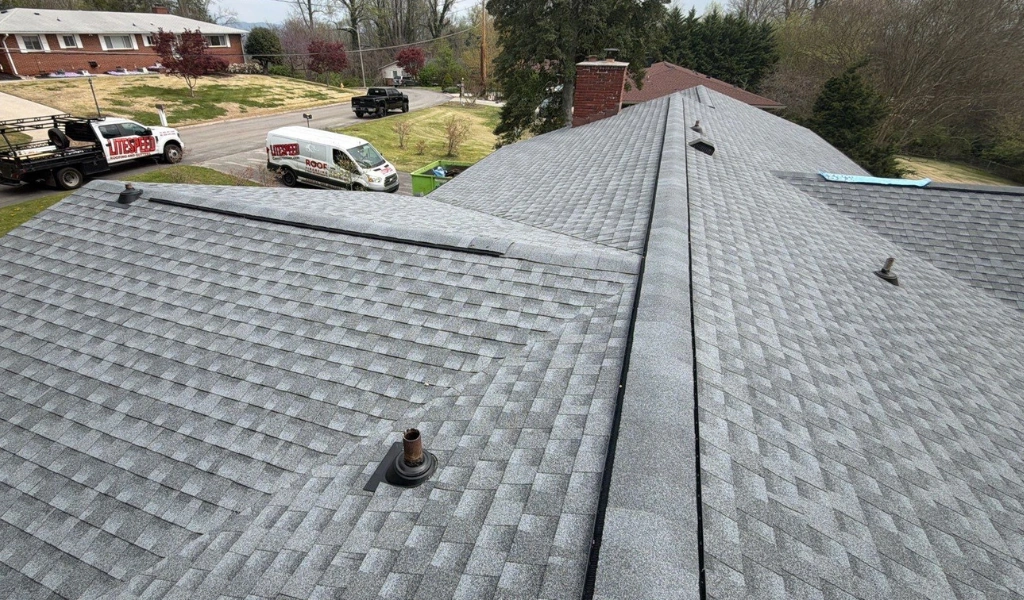
The final project photographs show the completed shingle field extending across the home’s multiple roof planes.
They also provide close-up documentation of several details that are difficult to see from the ground, including the pipe flashing around roof penetrations and metal flashing where the roof meets the brick chimney.
A final street-level photograph provides the broader before-and-after story: the older 3-tab roof visible during the original inspection was replaced with the newly installed GAF Timberline HDZ roof system.
The documented result is therefore more than a cosmetic shingle change. The project replaced an end-of-life roof while incorporating the underlayment, edge, ventilation, flashing, penetration and ridge components included in the reroofing scope.
What Oak Ridge Homeowners Can Learn From This Project
Widespread shingle wear is different from isolated roof damage. One damaged shingle may be repairable. When shingles across multiple slopes are approaching the end of their service life, it makes sense to evaluate the condition of the roof as a whole.
Small flashing details deserve attention. Worn sealant around a fastener takes up very little roof area, but roof penetrations and flashing transitions are important parts of water management.
A roof replacement provides access to the decking. Tear-off exposes wood that cannot normally be inspected from above, allowing the roofing contractor to identify conditions hidden beneath the old roofing system.
New shingles should be installed as part of a complete roofing system. Underlayment, valleys, drip edge, flashing, penetrations, ridge caps and ventilation all contribute to roof performance.
Document the roof before, during and after replacement. Inspection, tear-off and finished-roof photographs create a useful record of what was observed and what the completed roofing system looks like.
Frequently Asked Questions
There is no single visual symptom that determines replacement for every roof. Widespread deterioration across multiple slopes, recurring defects and shingles that have reached the end of their service life can all justify evaluating replacement rather than repeatedly repairing individual areas. On this Oak Ridge project, the inspection documentation specifically identified the existing 3-tab shingles as being at the end of life.
Not necessarily. An isolated flashing problem can often be addressed separately when the surrounding roof remains serviceable. In this project, however, the flashing details were only part of the picture because the existing shingle field itself was also documented as being at the end of its life.
Pipe flashing seals the transition between the roofing system and plumbing vent pipes that pass through the roof. If that transition deteriorates or separates, water can potentially reach materials beneath the shingles.
After the existing shingles and roofing materials are removed, the exposed deck can be inspected. Loose decking can be re-secured and damaged wood can be replaced when required before the new underlayment and shingles are installed. Photographs from this project show the home's plank decking exposed during the tear-off stage.
Need a Roof Replacement or Inspection in Oak Ridge, TN?
If your Oak Ridge roof still has aging 3-tab shingles, deteriorated flashing, worn roof penetrations or other signs that the roofing system is reaching the end of its service life, an inspection can help determine whether a targeted repair or full replacement makes more sense.
Litespeed Construction provides residential roof inspections, roof repairs and roof replacements in Oak Ridge, Knoxville and surrounding East Tennessee communities.
The goal is to identify what the roof actually needs and build the scope around the condition of the roofing system rather than replacing components unnecessarily.