
Wet Roof Insulation Repair in Knoxville, TN
Protect Your Roof & Building Today
🔍 Moisture Detection Specialists
💧 Roof Leak Repair Experts
⚡ Emergency Roofing Services
🛡️ Insurance Claim Assistance
Wet Roof Insulation in Knoxville: What to Do Next
If you own or manage a commercial building in Knoxville, Tennessee, the discovery of wet roof insulation can be alarming—and for good reason. Moisture trapped in your roof system isn’t just a minor annoyance: it can compromise energy efficiency, shorten the lifespan of your roofing system, lead to structural damage, and even pose health risks. At Litespeed Construction, we’ve seen first-hand the consequences of unchecked wet insulation—and more importantly, how to fix it properly.
Whether you’re dealing with a recent leak, suspect moisture intrusion, or just want to stay proactive, this article is designed to help you make informed decisions. As Knoxville’s trusted commercial roofing contractor, Litespeed Construction is here to guide you through every step.
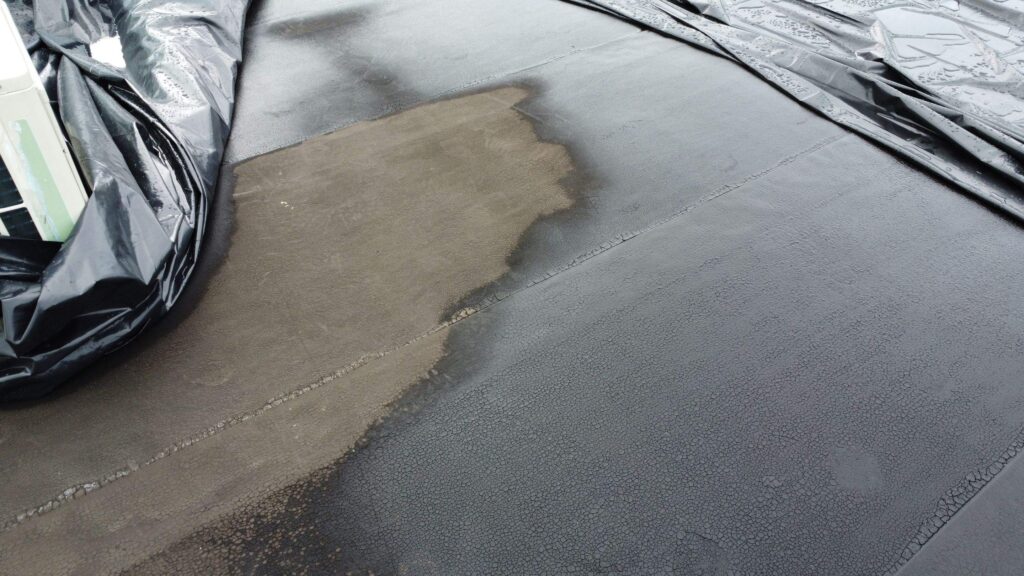
What Is Wet Roof Insulation — and Why It Matters
The Nature of Wet Roof Insulation
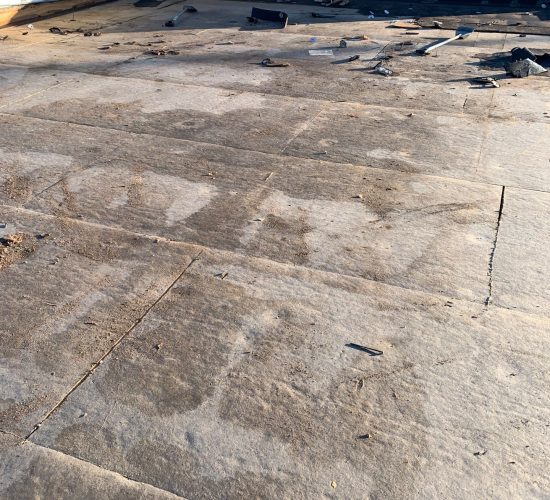
Wet roof insulation occurs when the insulating material beneath your commercial roof membrane absorbs moisture—due to leaks, condensation, poor vapor control, or construction deficiencies. When insulation becomes wet, it no longer performs as intended: its thermal resistance (R-value) drops, drying potential is compromised, and it may even become a vector for mold or rot.
According to the U.S. Department of Energy (DOE), air movement accounts for more than 98% of water vapor transport into building cavities. The Department of Energy’s Energy.gov Uncontrolled air leakage can carry humid air into roof cavities, where it cools, condenses, and saturates insulation. Once condensation occurs, without proper vapor control, it can accumulate and degrade the roof assembly.
Why It’s a Significant Concern
- Reduced Energy Efficiency. Moist, saturated insulation loses much of its insulating value. Building-science research shows that without air sealing and with moisture accumulation, commercial roof systems suffer performance losses.
- Structural Damage & Durability Risk. The EPA’s “Moisture Control Guidance” underscores that moisture can damage structural elements, degrade materials, and compromise building longevity.
- Indoor Air-Quality Hazards. Moist, poorly controlled assemblies allow mold and microbial growth, which can contribute to health issues and degraded building environments.
- Condensation Risks. Without proper vapor barrier design, interior humidity may condense on cold surfaces within the roof assembly, leading to “wetting” of insulation or framing.
- Code and Best Practice Implications. As DOE research shows, unvented roof assemblies must carefully manage vapor and air leakage to prevent moisture risks.
Recognizing the Problem: How to Spot Wet Roof Insulation
Moisture in your roof insulation doesn’t always produce obvious signs. Here are typical red flags plus methods for professional assessment.
Signs & Symptoms to Look For
- Interior discoloration or water stains on ceiling tiles, drywall, or finishes may suggest water intrusion from the roof.
- High or spiking HVAC / energy bills could point to degraded insulation performance.
- Mold, mildew, or musty odors in the building may indicate damp cavities or trapped moisture.
- Roof system issues, such as leaks, blistering, or soft spots in the membrane, could be contributing.
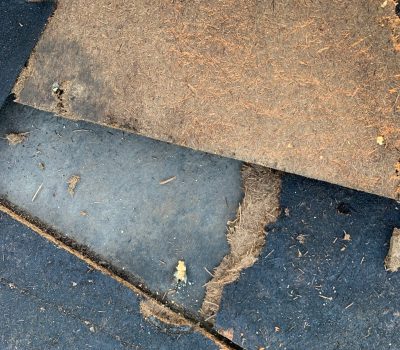
These are indicators — but reliable diagnosis very often requires more than just visual inspection.
Proven Diagnostic Methods
According to building-science research and DOE/Building America studies, the following methods are most effective:
1. Core Sampling / Gravimetric Testing
2. Infrared (Thermal) Scanning
A section of the roof is removed, and insulation is weighed to measure moisture content relative to its dry weight. This reveals whether the insulation is saturated beyond recovery.
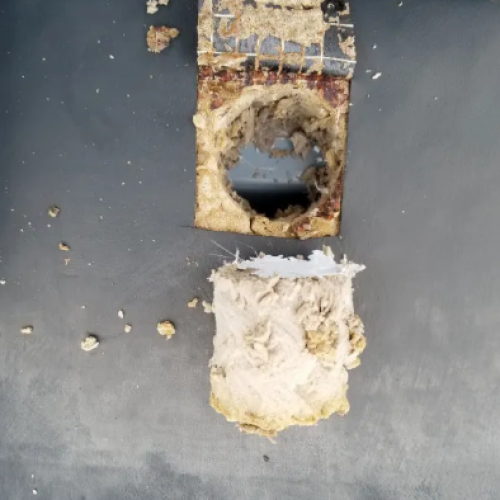
Using thermal imaging, a trained technician can identify areas of retained moisture. Uneven heat patterns often highlight “cold spots,” which may indicate water-laden insulation.

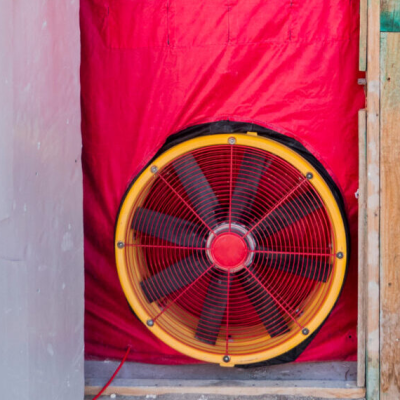
3. Air-Sealing Assessment
Since air transport drives most moisture, DOE research strongly emphasizes evaluating and improving interior air-sealing in commercial roof assemblies.
4. Vapor Control Evaluation
Check for presence and adequacy of vapor retarders or barriers, including whether they permit drying, or whether interior humidity is causing condensation. This aligns with EPA design guidance for building maintenance and construction.

What to Do Next: A Step-by-Step Plan
If you suspect wet roof insulation in your commercial property, here is a recommended phased plan to address it safely and effectively, with Litespeed Construction by your side.
Step 1: Commission a Moisture Audit
- Hire Litespeed Construction to perform a building-science moisture control audit. We will use established methods (thermal imaging, core sampling, air-seal testing) to assess the moisture status of your roof.
- We document and deliver a detailed diagnostic report: problem zones, moisture content, and risk evaluation.
Step 2: Analyze & Plan Remediation
Based on the audit findings, we will help you decide:
- Whether the insulation is truly wet (i.e., moisture content high enough to degrade performance).
- The extent of replacement needed (spot repair vs. full or partial removal).
- What insulation materials to use for replacement, balancing thermal performance and moisture resilience.
- How to integrate air sealing and vapor control into the repair, reducing risk of future moisture accumulation.
Step 3: Remediate Correctly
When it is determined that remediation is necessary:
- Remove Damaged Insulation
- Install New, Moisture-Resistant Insulation
- Ensure Proper Drainage & Roof Detailing
- Commission Quality Assurance
Step 4: Establish a Long-Term Moisture Management Strategy
- Regular Inspections: Schedule periodic inspections (e.g., twice a year) focusing on roof integrity, drainage, and air-seal condition. This follows EPA’s maintenance recommendations.
- Monitoring & Testing: Use commercial roof thermal imaging or other diagnostics over time to detect emerging moisture before it becomes serious.
- Building Operations Alignment: Coordinate with facility managers to control interior humidity, ventilation, and HVAC systems so that indoor conditions don’t drive condensation risk into the roof assembly.
The Risks of Ignoring Wet Roof Insulation
Here’s what could happen if wet roof insulation goes undiscovered or untreated:
- Accelerated Material Degradation: Persistent moisture can degrade insulation and structural materials, reducing roof longevity. EPA guidance stresses that moisture control is essential to building maintenance.
- Compromised Energy Efficiency: Wet insulation hampers thermal resistance, forcing heating and cooling systems to work harder and raising building operating costs.
- Mold and Microbial Growth: Trapped moisture promotes biological growth, endangering indoor air quality and occupant health
- Condensation Damage: If interior humidity is not managed, condensation can continue to saturate the system, leading to recurrent issues.
- Reduced Structural Safety: Water-damaged assemblies can weaken and degrade, posing long-term risk to roof structure and fasteners.
Why Litespeed Construction Is Your Trusted Partner in Knoxville
When dealing with wet roof insulation, the stakes are high. Here’s why Litespeed Construction is uniquely qualified to serve building owners in Knoxville:
- Building-Science Expertise: We apply rigorously tested methods—core sampling, thermal imaging, air-seal testing—rooted in DOE Building America research.
- Local Knowledge: We understand the Knoxville / East Tennessee climate, including moisture risk factors in our region.
- Sustainable & Durable Solutions: We design roof systems that not only restore performance but also account for long-term moisture control, following EPA moisture control guidance.
- High-Quality Installation: Our remediation work includes proper vapor control, air sealing, careful insulation replacement, and final verification.
- Proactive Maintenance Support: We help you build and maintain a moisture management strategy, reducing risk and prolonging the life of your roof.
FAQs about Commercial Flat Roofs
Only a thorough moisture audit—including core sampling and thermal imaging—is reliable.
That’s risky. If insulation is saturated, patching the membrane won’t restore its insulating ability, and moisture may remain trapped.
Usually yes. A proper vapor retarder or control layer helps manage condensation risk.
Costs vary depending on building size, extent of moisture, insulation type, and complexity of repairs.
Yes. By restoring insulation performance, you can reduce energy consumption, prevent further damage, and extend the service life of your roof.
Wet roof insulation Repairs & Replacement
Wet roof insulation is not something to ignore. It’s an often-hidden problem that can quietly erode your building’s energy efficiency, durability, and occupant health. But with the right approach you can address it confidently and permanently.
At Litespeed Construction, we bring that expertise right to your doorstep in Knoxville, TN. Our team provides full moisture audits, science-based remediation, and long-term maintenance planning.
If you suspect wet roof insulation in your property, contact us today to schedule a professional moisture assessment. Let us help you protect your investment, restore performance, and prevent future problems
Need a Commercial Roof Inspection?
For professional flat roofing services, choose a trusted contractor with a proven track record to ensure your investment is protected for years to come.