
What Is The Average Time To Replace A Shingle Roof?
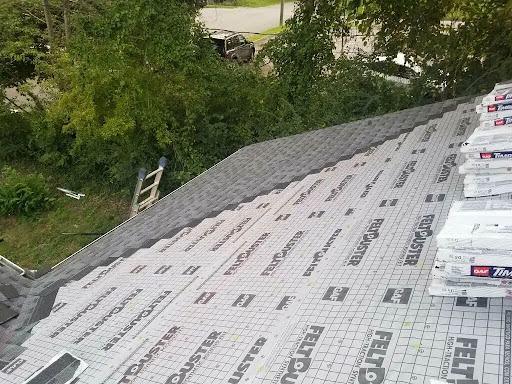
Once work begins on an asphalt shingle roof for a typical single-family home, you can expect it to take 1-2 days, unless some other issue arises, such as inclement weather or additional damage to part of the roof deck is discovered.
Metal Roof Transition Flashing
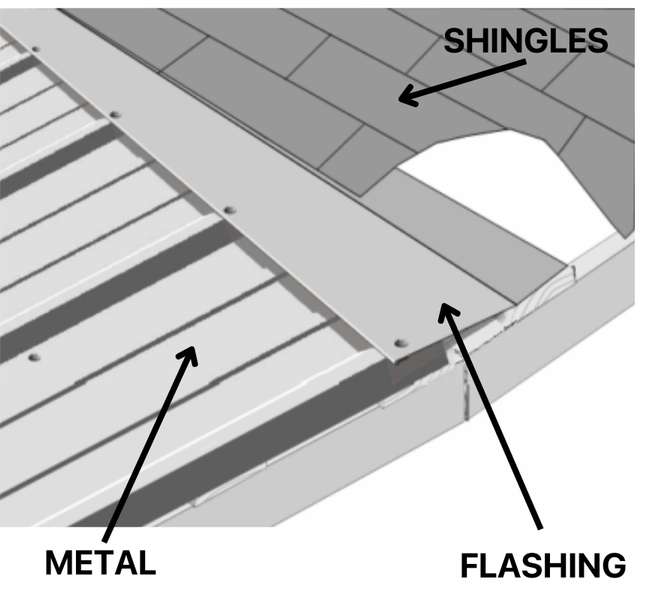
Metal Roof Transition Flashing prevents leakage at the point where two different roof pitches meet. Flatter transitions require more flashing on lower side.
What Should I Do If A Tree From My Neighbor’s Yard Hits My Roof?
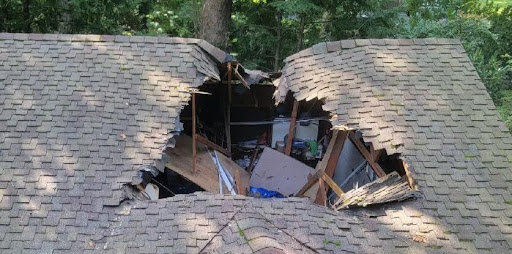
When a neighbor’s tree falls on your roof, you should first contact your homeowners’ insurance and encourage your neighbor to call theirs. If you can prove that your neighbor was negligent by ignoring safety hazards, such as a tree showing signs of decay, illness, or infection, they may be held […]
Can Roofs Leak From Nail Pops?
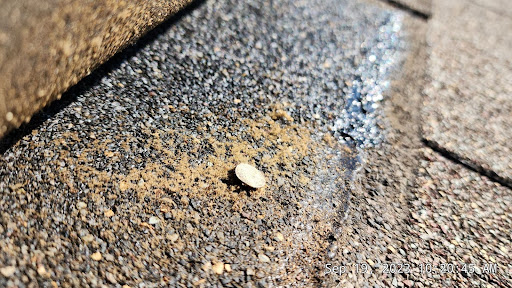
Nail pops are exposed nails that poke through shingles and they are the number one cause of roof leaks. It is not fully understood what makes some nails pop through shingles, but some occur because the nails are exposed to moisture, nails are placed between seams of roof decking, improper nailing si […]
Will Storm Damage Cause Roofs To Leak?
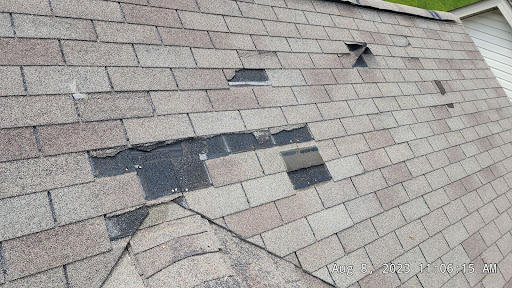
Yes, hail, heavy rain, strong winds, flying debris, and severe weather events can cause holes and craters in your shingles. If you experience a severe storm, it’s advisable to inspect your roof for any signs of damage as soon as it’s safe to do so. Look for missing or damaged shingles, visible crack […]
Does Hail Damage Cause a Roof to Leak?
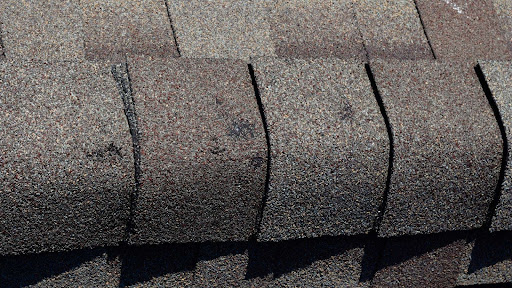
Yes, hail causes holes and craters in your shingles or knocks off granules or shingles, exposing roof felt and leading to leaks. Hailstones can vary in size, and larger hailstones can cause significant damage to roofing materials. Hail can also damage the flashing around chimneys, vents, and other r […]
Chimney Flashing
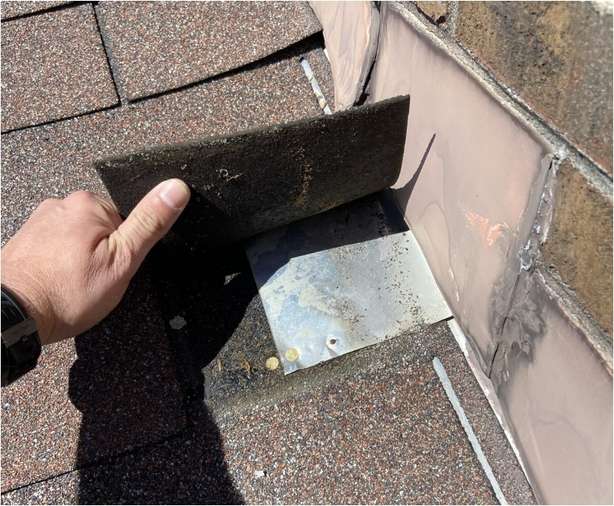
Metal chimney flashing is vital for waterproofing. It surrounds your chimney’s base at the roof, sealing tightly to block rainwater.
Roof Cricket
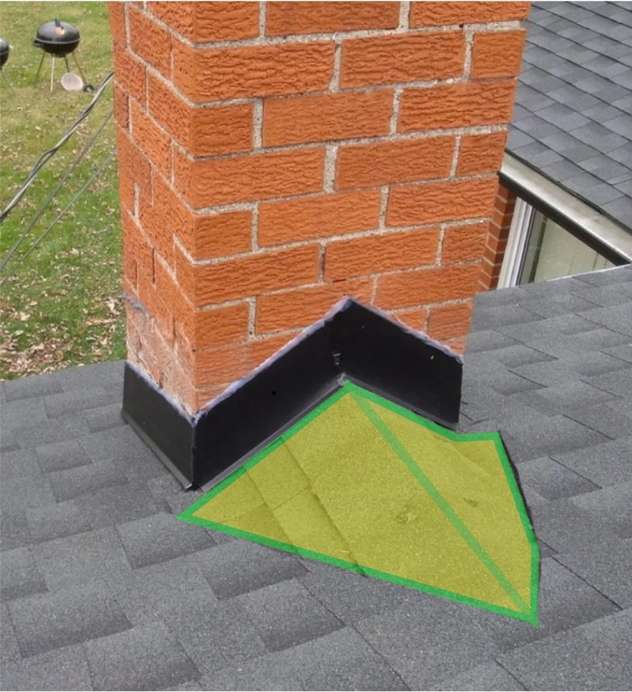
A roof cricket is typically a small triangular shape installed on the upslope side of a chimney or vent, responsible for directing water away from vulnerable areas.